Section 1: Product Introduction & Clinical Purpose
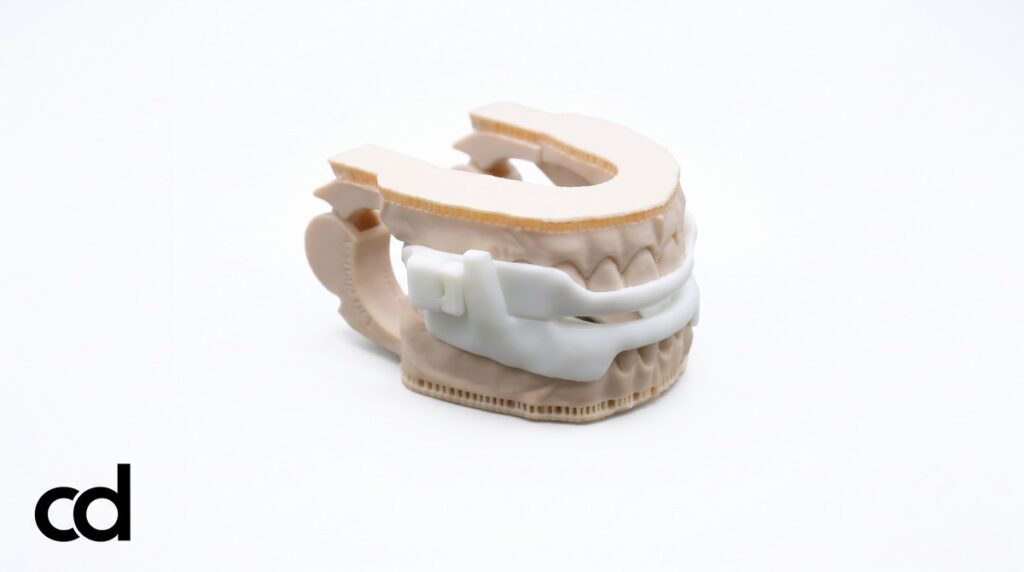
The Curedent Anti-Snoring Guard is a precision-engineered, titratable oral appliance designed to advance the mandible and expand the pharyngeal airway during sleep. Developed for general dentists, sleep dentists, prosthodontists, and clinicians integrating oral appliance therapy (OAT) into their practice, this appliance provides a non-invasive, CPAP-alternative treatment pathway for patients presenting with primary snoring and mild to moderate obstructive sleep apnea (OSA). As a fully adjustable mandibular advancement device (MAD), it allows the clinician to progressively titrate mandibular protrusion until snoring resolves or airway patency is optimized.
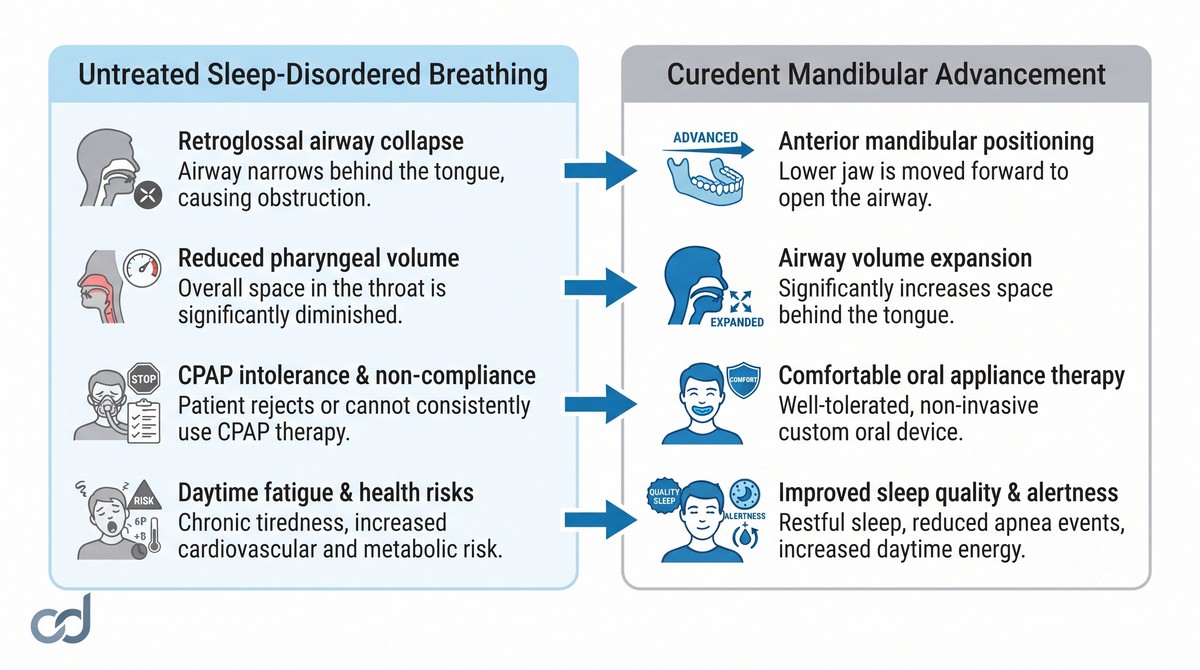
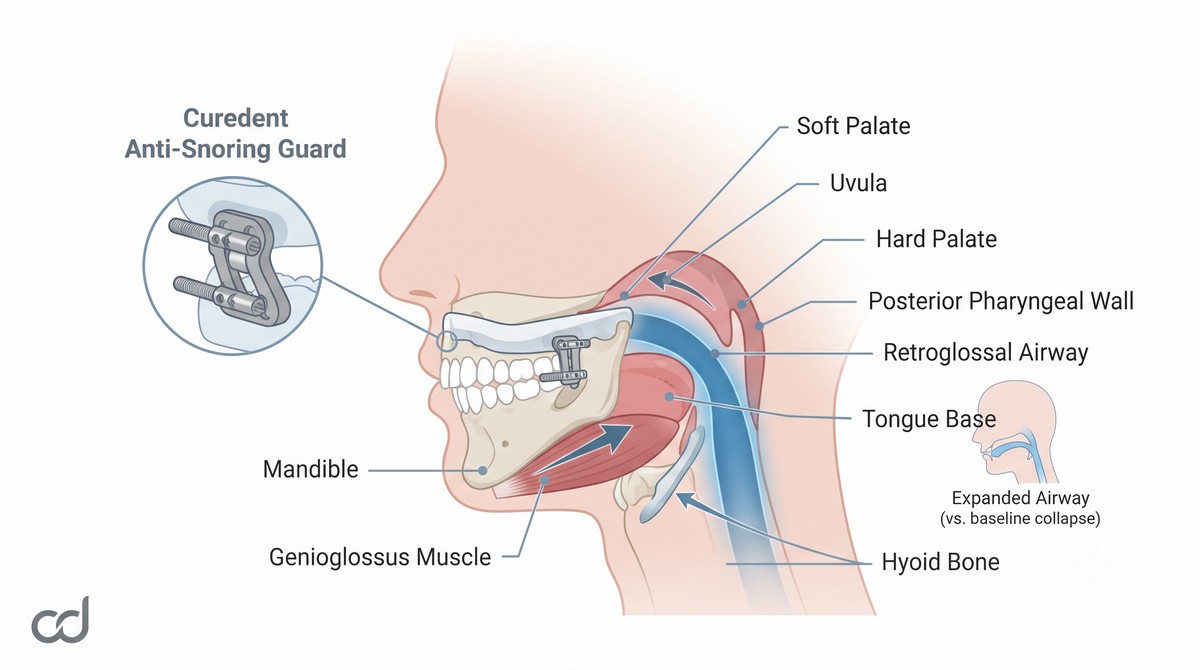
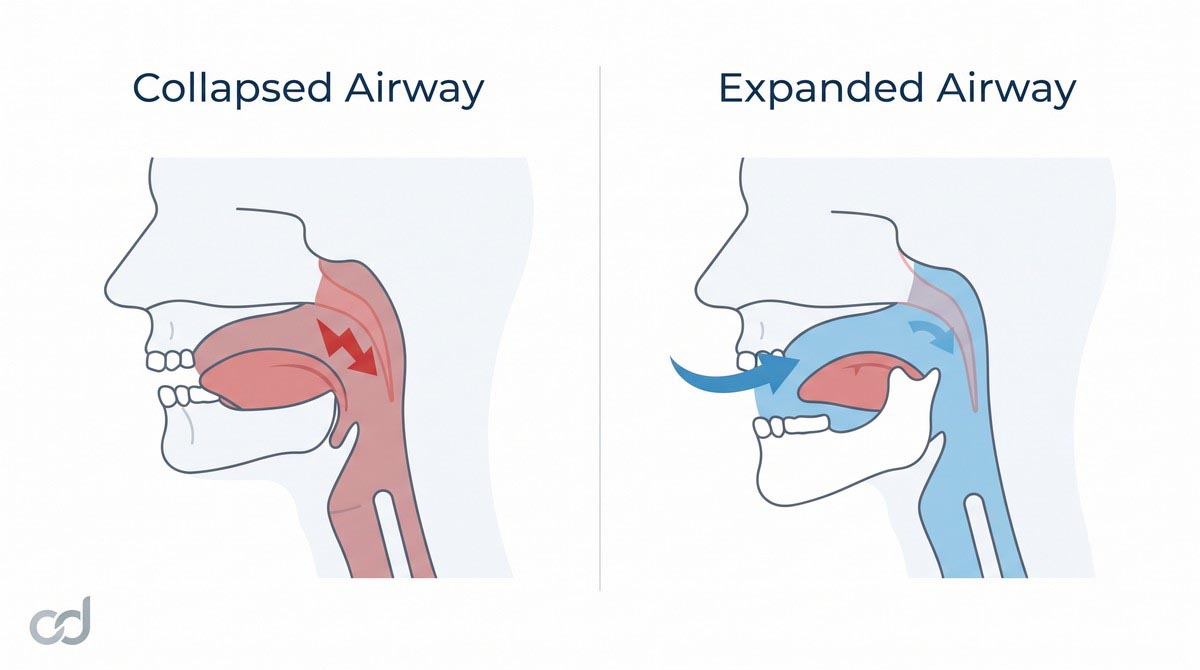
Sleep-disordered breathing affects a substantial portion of the adult population, yet many patients remain undiagnosed or untreated. Continuous positive airway pressure (CPAP) remains the gold standard for moderate to severe OSA, but long-term compliance is notoriously poor—studies consistently report that a significant proportion of patients abandon CPAP within the first year. For these CPAP-intolerant patients, and for those with primary snoring or mild OSA, oral appliance therapy offers a well-tolerated alternative. The Curedent Anti-Snoring Guard addresses this clinical need through precision anti-snoring appliance fabrication. By holding the mandible in a controlled forward position, it expands the retroglossal airway, activates the genioglossus muscle, and reduces the pharyngeal collapse that produces snoring and obstructive events.
Key Clinical Advantages
- Titratable Protrusion Control: Adjustable titration screws allow progressive mandibular advancement calibrated to each patient’s therapeutic response.
- Airway Volume Expansion: Holds the mandible forward to expand the retroglossal airway and reduce pharyngeal collapse during sleep.
- Genioglossus Muscle Activation: Anterior mandibular positioning activates the genioglossus, further supporting airway patency.
- CPAP Alternative for Intolerant Patients: Provides a well-tolerated oral appliance option for patients who cannot comply with CPAP therapy.
- Precision-Milled Construction: Pressure thermoforming or precision milling ensures accurate adaptation and predictable force delivery.
Section 2: Product Anatomy & Physical Construction
Medical-Grade Biocompatible Construction
The Curedent Anti-Snoring Guard is fabricated from a certified Class IIa biocompatible thermoplastic or precision-milled PMMA resin, depending on the clinical indication and the patient’s occlusal requirements. The material provides high flexural strength, dimensional stability, and biocompatibility under nightly intraoral wear. Unlike hand-fabricated cold-cure acrylic appliances that exhibit polymerization shrinkage and irregular contact surfaces, both thermoformed and milled construction methods ensure uniform density and precise geometric execution across the entire appliance.
The Dual-Arch Mandibular Advancement Device (MAD) Structure
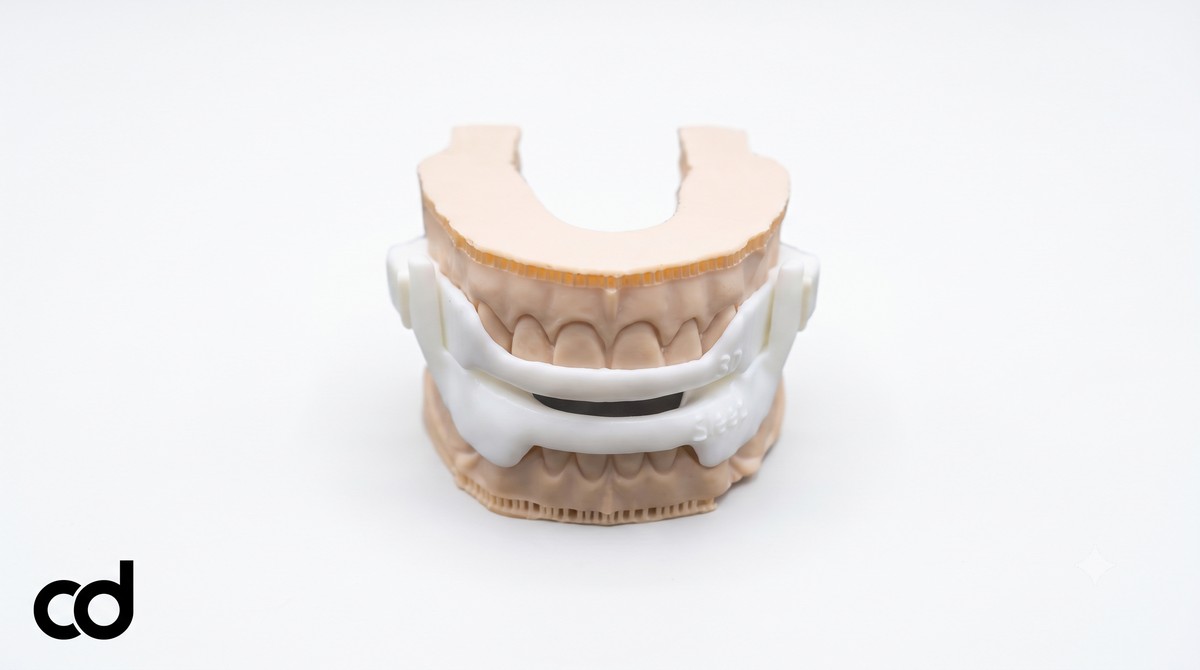
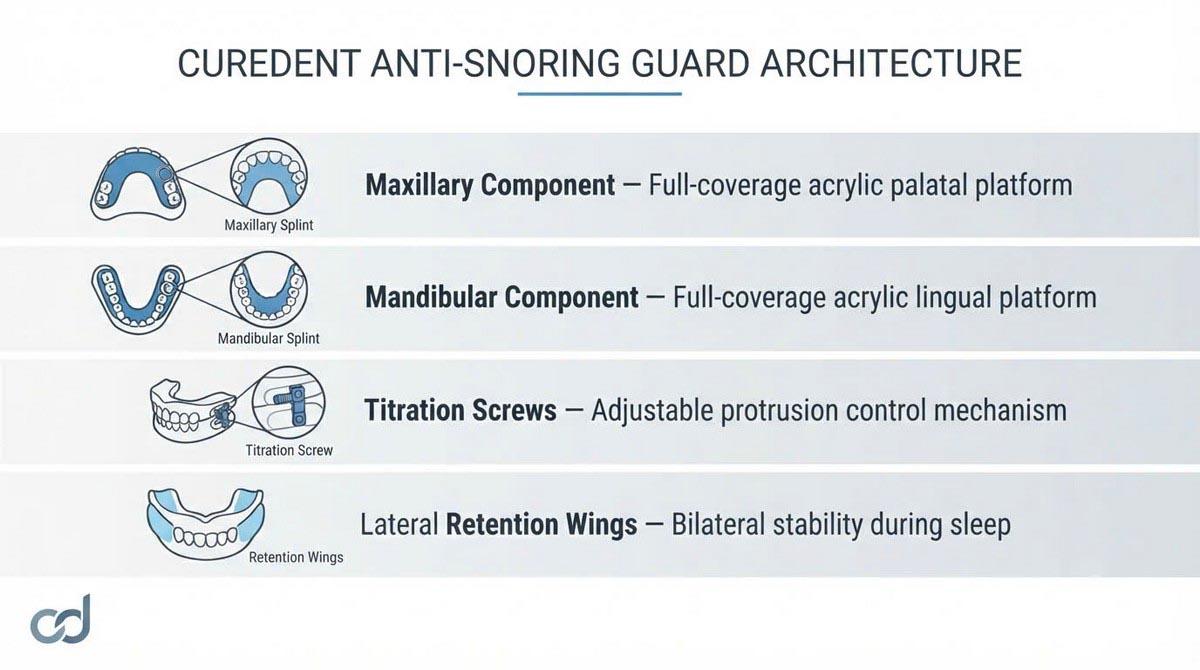
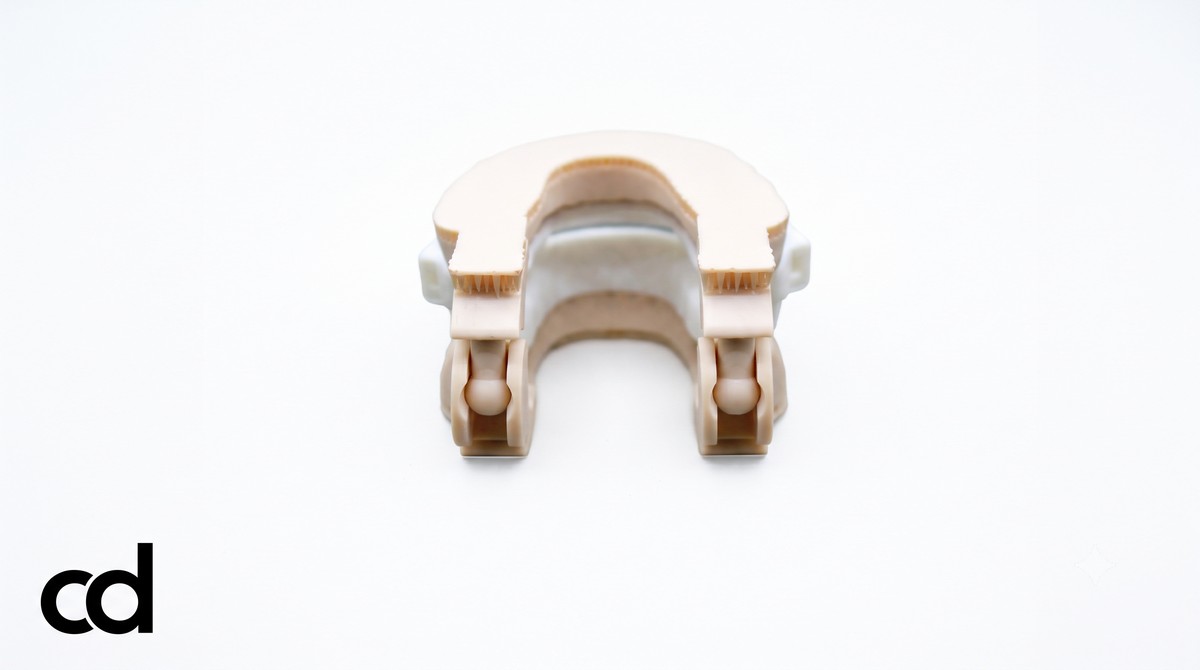
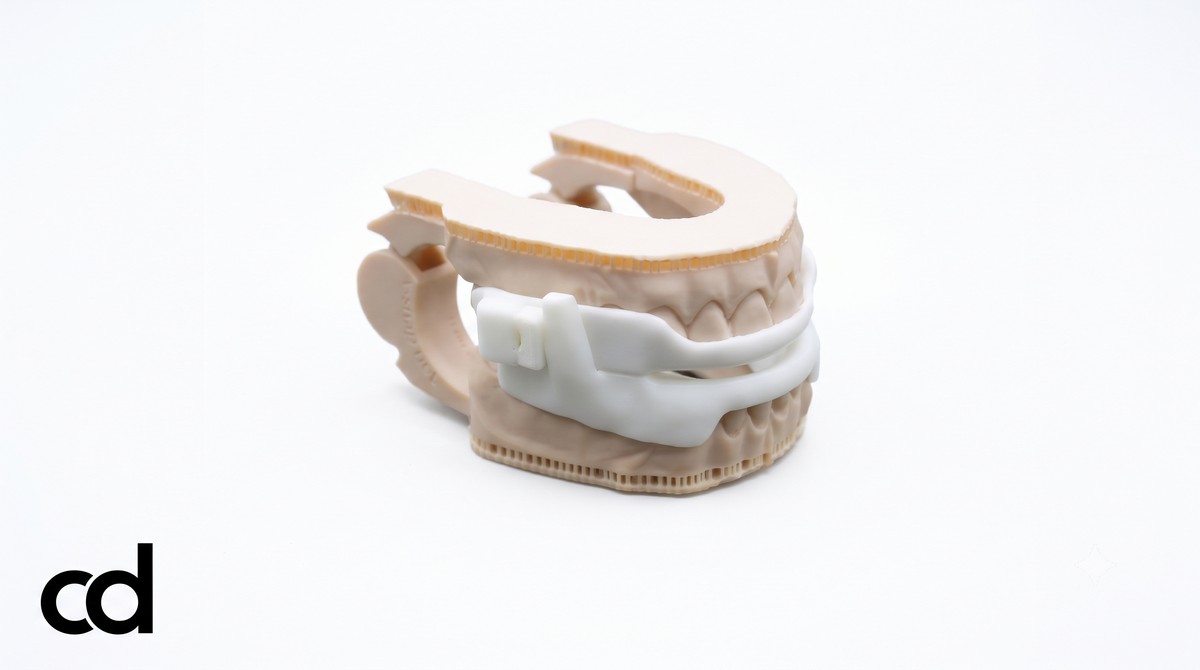
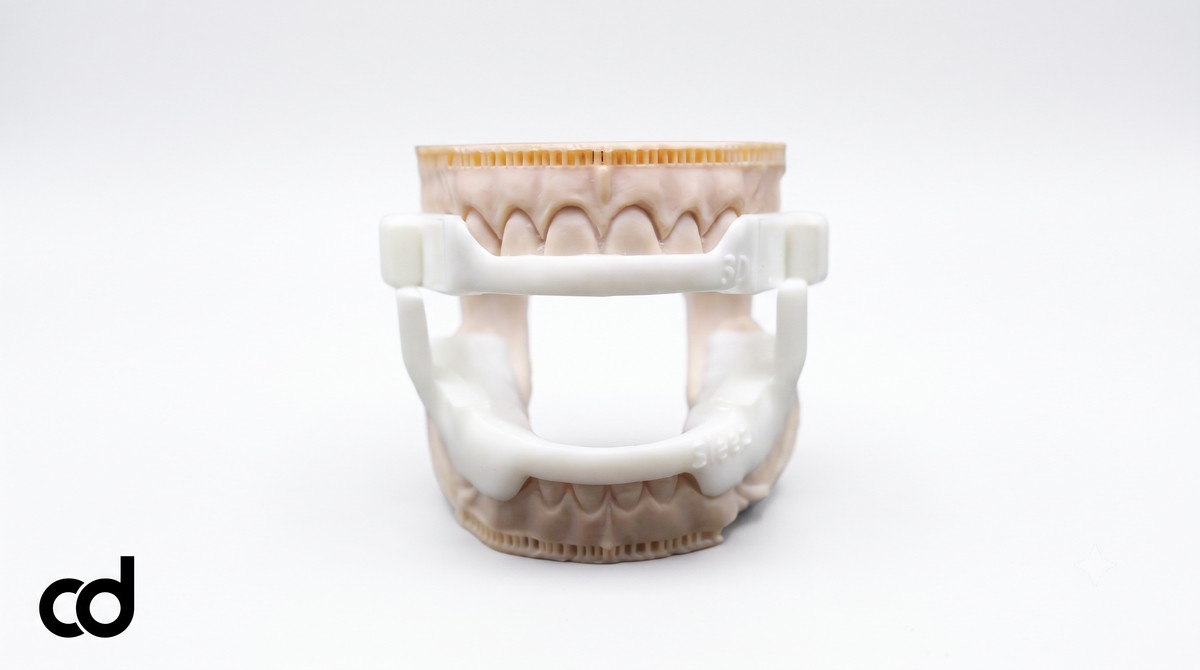
The defining feature of the appliance is its dual-arch mandibular advancement device (MAD) architecture. Unlike single-arch night guards, the Anti-Snoring Guard includes both maxillary and mandibular components that engage through a precision-engineered titration mechanism. This dual-arch design provides two critical advantages:
- Bilateral Mandibular Control: Both arches are stabilized, ensuring that the mandible is held in a controlled forward position throughout the sleep cycle.
- Reproducible Protrusion Setting: The titration mechanism allows the clinician to set and adjust the mandibular protrusion in calibrated increments, ensuring that the therapeutic position is repeatable and adjustable across multiple visits.
The Maxillary Component: Palatal Platform
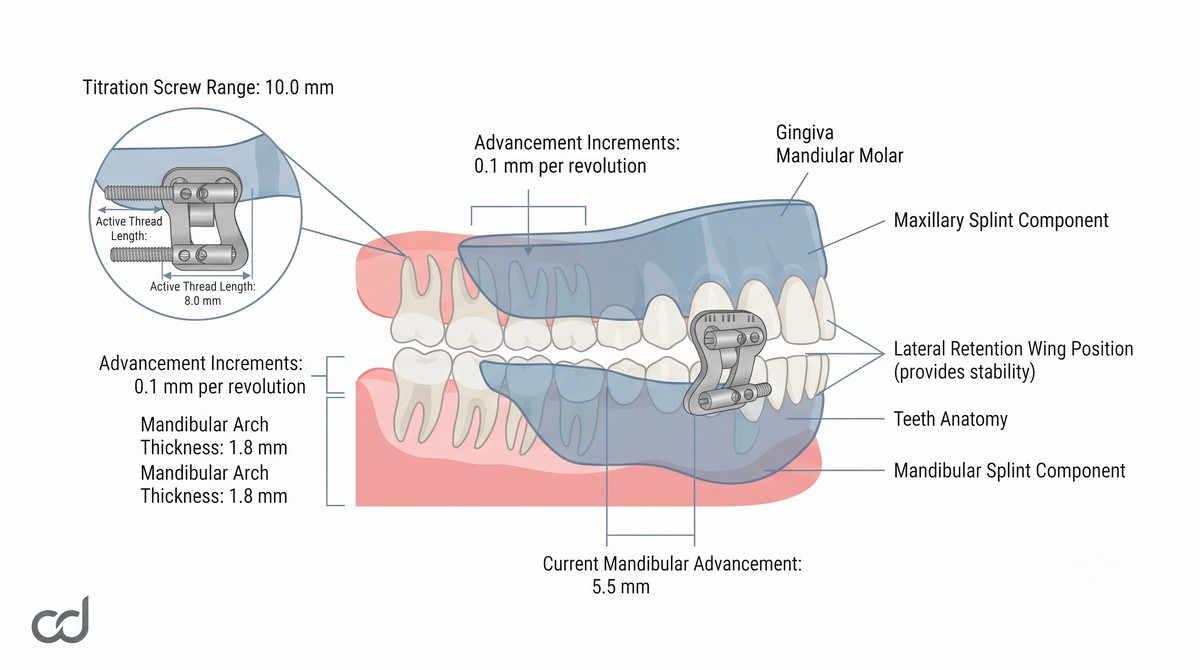
The maxillary component is fabricated as a full-coverage palatal platform that seats over the maxillary dentition. The intaglio surface is polished to eliminate pressure spots and ensure passive seating across the full arch. The lateral surfaces incorporate the titration screw housings that engage the mandibular component.
The Mandibular Component: Lingual Platform
The mandibular component mirrors the maxillary design, fabricated as a full-coverage lingual platform that seats over the mandibular dentition. The lateral surfaces incorporate the titration screw contact points that engage the maxillary component, allowing the clinician to progressively advance the mandible forward.
Titration Mechanism: Adjustable Protrusion Control
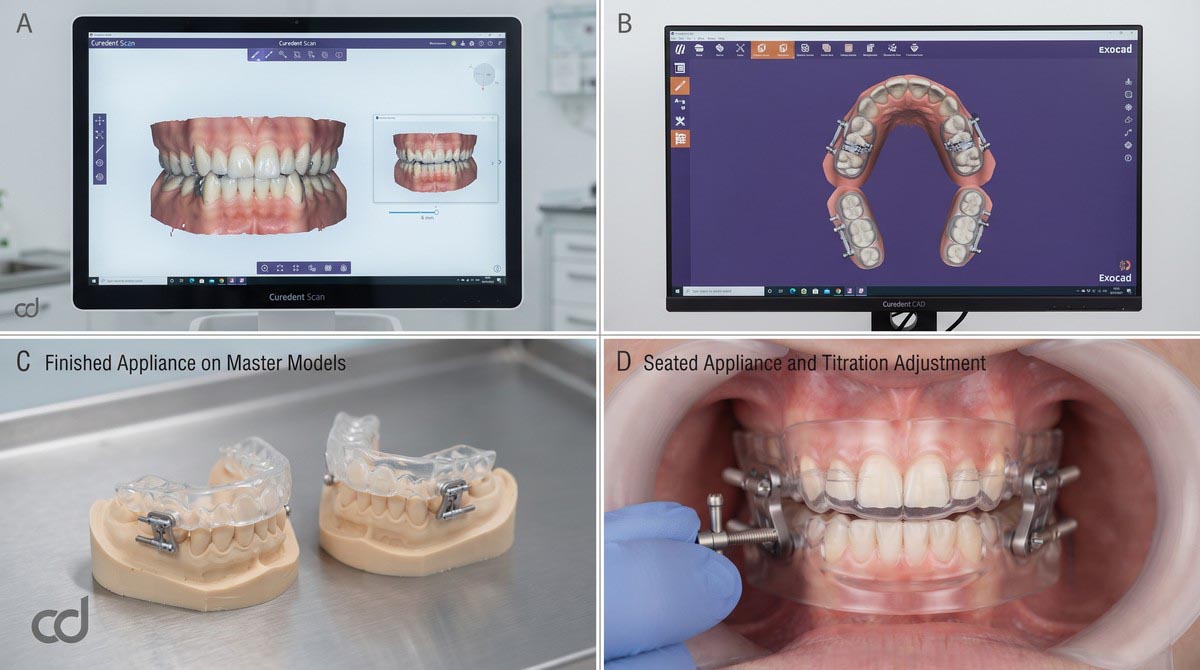
The titration mechanism is the functional core of the appliance. Precision-engineered titration screws are integrated into the lateral aspect of the maxillary component, engaging contact surfaces on the mandibular component. Each turn of the screw advances the mandible by a calibrated increment—typically 0.25 mm to 0.50 mm per turn, depending on the system configuration. This allows the clinician to progressively advance the mandible over multiple visits until snoring resolves or the target therapeutic position is reached. The titration mechanism is designed for chairside adjustment without removing the appliance from the patient’s mouth.
Lateral Retention Wings and Comfort Design
The appliance incorporates lateral retention wings on both components that provide bilateral stability during sleep. These wings engage the buccal surfaces of the posterior teeth and prevent lateral displacement of the appliance during jaw movement. The intaglio surfaces of both components are polished to eliminate pressure spots, and the occlusal surfaces are smoothed to prevent soft-tissue irritation. The overall appliance profile is minimized to reduce bulk and improve patient tolerance.
Digital Workflow and Fabrication Precision
[Intraoral Optical Scan (STL/PLY)] ──┐
├─► [Digital CAD Design] ──► [Thermoformed or Milled MAD]
[Protrusive Bite Registration] ┘
The appliance is designed from the patient’s optical intraoral scan and a protrusive bite registration that establishes the initial therapeutic mandibular position. The digital design is executed through either high-pressure thermoforming or precision 5-axis milling, producing both components with accurate adaptation and a functional titration mechanism. The clinician reviews and approves the virtual design before fabrication.
How the Device Holds the Mandible Forward
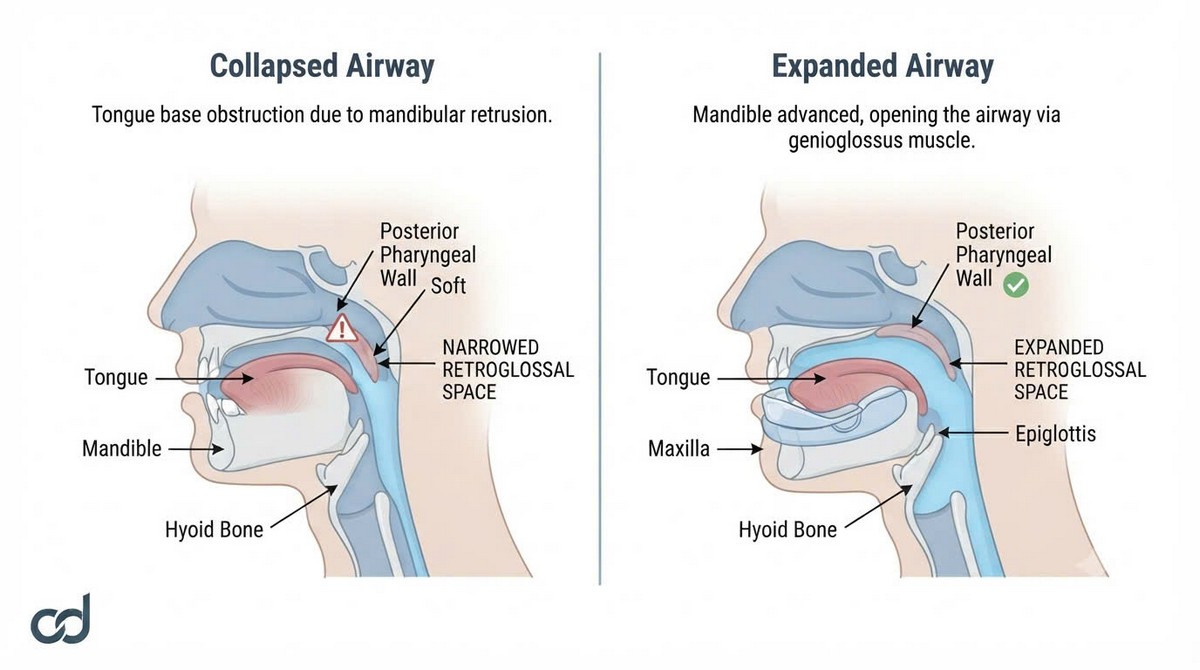
The Anti-Snoring Guard holds the mandible in a controlled forward position by mechanically coupling the maxillary and mandibular components through the titration mechanism. When the patient’s muscles relax during sleep and the mandible begins to fall backward, the titration screw contact surfaces prevent posterior displacement. This maintains the mandible in the prescribed protrusive position, which in turn pulls the tongue forward through its attachment to the genial tubercle, expanding the retroglossal airway and reducing pharyngeal collapse.
Section 3: Indications & Clinical Applications
Primary Clinical Indications
The Curedent Anti-Snoring Guard is indicated across a range of sleep-disordered breathing presentations:
- Primary Snoring: Patients presenting with habitual snoring without significant apnea or oxygen desaturation, where mandibular advancement can reduce or eliminate snoring.
- Mild to Moderate Obstructive Sleep Apnea (OSA): Patients with a confirmed diagnosis of mild to moderate obstructive sleep apnea (OSA) who are candidates for oral appliance therapy.
- CPAP-Intolerant Patients: Patients who have been prescribed CPAP but cannot tolerate the mask, airflow, or associated lifestyle limitations.
- Patients Seeking Oral Appliance Therapy (OAT): Patients who prefer a non-CPAP treatment option for personal, lifestyle, or comfort reasons.
Anti-Snoring Guard Feasibility Checklist:
[✓] Adequate dentition for stable bilateral appliance seating
[✓] Healthy periodontal status with no active inflammation
[✓] Sufficient protrusive range (≥ 6 mm) for titration
[✓] No severe TMJ pathology or acute joint pain
[✗] Severe periodontitis or insufficient anchorage teeth (Contraindicated)
Case Selection Criteria
- Adequate Dentition: The appliance requires sufficient remaining teeth to support stable bilateral seating of both components. Patients with extensive tooth loss or edentulous arches may require alternative appliance designs.
- Healthy Periodontal Status: Active periodontitis, significant tooth mobility, or acute peri-implant inflammation must be controlled before appliance delivery.
- Sufficient Protrusive Range: The patient must be able to protrude the mandible at least 6 mm from the habitual position to allow adequate titration range.
- No Severe TMJ Pathology: Patients with acute temporomandibular joint pain, disc displacement without reduction, or significant joint pathology should be evaluated and stabilized before MAD therapy.
The Pathophysiology of Upper Airway Collapse During Sleep
During sleep, the muscles that maintain upper airway patency—including the genioglossus, the tensor palatini, and the pharyngeal constrictors—relax. In susceptible individuals, this relaxation allows the soft tissues of the pharynx to collapse inward, narrowing or occluding the airway. The most common site of collapse is the retroglossal region, where the tongue base falls backward against the posterior pharyngeal wall.
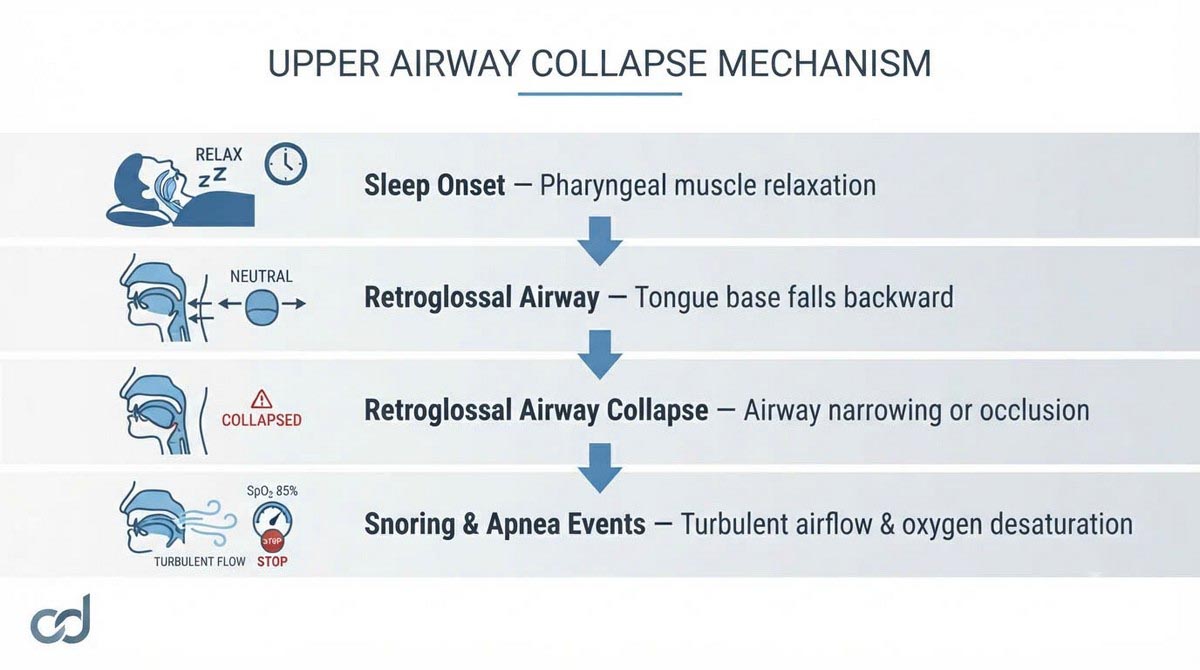
This retroglossal airway collapse produces the turbulent airflow that manifests as snoring, and in more severe cases, the complete airway occlusion that defines obstructive apnea. The genioglossus muscle plays a central role in maintaining airway patency—its contraction pulls the tongue forward and prevents retroglossal collapse. During sleep, reduced genioglossus muscle activation contributes to airway narrowing, particularly in patients with anatomical predispositions such as a large tongue base, retrognathia, or increased pharyngeal soft tissue.
How Mandibular Advancement Addresses Airway Collapse
Mandibular advancement therapy addresses retroglossal collapse through two complementary mechanisms:
- Mechanical Airway Expansion: Advancing the mandible pulls the tongue forward through its attachment to the genial tubercle, physically expanding the retroglossal airway and reducing the likelihood of collapse.
- Genioglossus Activation: The anterior mandibular position increases the stretch on the genioglossus muscle, enhancing its tonic activity and further supporting airway patency during sleep.
Typical Clinical Scenarios
- Primary Snoring with Partner Disturbance: Patients whose snoring disrupts their partner’s sleep and who seek a non-surgical, non-CPAP solution.
- Mild OSA Diagnosed by Home Sleep Study: Patients with a confirmed diagnosis of mild OSA (AHI 5–15) who are candidates for oral appliance therapy.
- Moderate OSA with CPAP Intolerance: Patients with moderate OSA (AHI 15–30) who have been unable to tolerate CPAP and require an alternative treatment option.
- Combined Therapy Candidates: Patients using CPAP at suboptimal pressures who benefit from adjunctive mandibular advancement to reduce required CPAP pressure.
Section 4: Clinical Workflow & Titration Protocol
Step 1: Data Acquisition
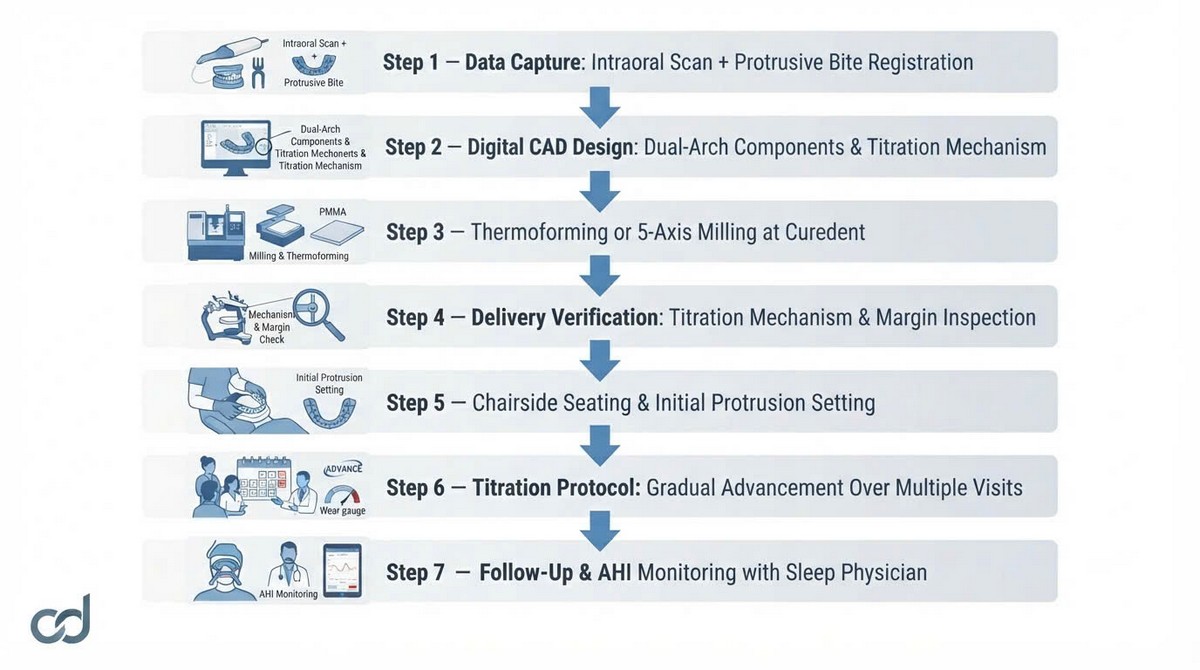
Acquire a high-resolution optical intraoral scan of the maxillary and mandibular arches with accurate soft-tissue margin capture. Record the patient’s protrusive bite registration at approximately 60–70% of maximum protrusion as the initial therapeutic position. Document the patient’s baseline AHI, Epworth Sleepiness Scale score, and any sleep study data provided by the referring sleep physician.
Step 2: Digital CAD Design
Curedent digital engineers design both components within a virtual articulator environment. The maxillary component incorporates the titration screw housings, and the mandibular component incorporates the contact surfaces that engage the screws. The initial protrusive position is set at the prescribed starting point, and the lateral retention wings are designed for bilateral stability. The clinician reviews and approves the virtual design before fabrication.
Step 3: Thermoforming or 5-Axis Milling
The approved design is fabricated through either high-pressure thermoforming or precision 5-axis milling, depending on the material selection and clinical requirements. Both methods produce accurate component adaptation and a functional titration mechanism. The appliance is hand-finished and inspected for surface uniformity before dispatch.
Step 4: Delivery Verification
Upon receiving the appliance, inspect both components on the master models: confirm complete seating on both arches, verify that the titration mechanism engages precisely, check that the lateral retention wings provide bilateral stability, and ensure margins are smooth and rounded.
Step 5: Chairside Seating and Initial Protrusion Setting
- Seat the maxillary and mandibular components on their respective arches using gentle finger pressure.
- Verify passive seating on both arches: each component should seat without rocking and remain stable when the patient opens and closes.
- Verify that the titration mechanism engages properly: the mandibular component should contact the maxillary titration screws in the prescribed initial protrusive position.
- Assess airway volume expansion clinically: have the patient breathe through the nose with the appliance seated and observe for improved airflow compared to the baseline position.
- Confirm protrusion titration range: verify that the titration screws can be advanced through their full adjustment range without binding or disengagement.
- Instruct the patient on insertion, removal, and initial wear protocol.

Step 6: Titration Protocol and Gradual Advancement
Instruct the patient to wear the appliance every night and record snoring resolution, sleep quality, and any jaw discomfort. Schedule follow-up visits every 2 to 4 weeks to assess treatment response and advance the titration as needed. Each titration visit involves:
- Assessment: Review the patient’s symptom diary and partner feedback on snoring.
- Advancement: Advance the titration screws by the prescribed increment (typically 0.25–0.50 mm per visit).
- Comfort Check: Verify that the new protrusive position is comfortable and does not produce jaw pain or TMJ symptoms.
- Airway Assessment: Re-evaluate nasal airflow and snoring response at the new position.
Titration continues until snoring resolves or until the maximum comfortable protrusive position is reached. In OSA cases, the target therapeutic position is confirmed by a follow-up sleep study demonstrating adequate AHI reduction efficacy.
Step 7: Follow-Up and AHI Monitoring Collaboration
For OSA patients, coordinate with the referring sleep physician to schedule a follow-up sleep study after the titration is complete. The study should demonstrate adequate AHI reduction (typically ≥ 50% reduction from baseline or AHI < 10 events/hour) to confirm treatment efficacy. Once the therapeutic position is confirmed, continue nightly wear and schedule annual follow-up visits to assess appliance condition, oral health, and long-term treatment response.
Monitoring, Comfort, and TMJ Considerations
Long-term MAD therapy requires ongoing monitoring for potential side effects, including:
- Occlusal Changes: Progressive mandibular advancement can produce minor occlusal changes over time. Assess the patient’s occlusion at each follow-up visit and document any changes.
- TMJ Symptoms: Patients who develop jaw pain, clicking, or restricted opening during MAD therapy should be evaluated for TMJ pathology and may require adjustment of the titration protocol.
- Appliance Wear: Inspect the titration mechanism and appliance surfaces at each visit for wear, and replace components as needed to maintain therapeutic function.
Section 5: Technical Specifications & Titration Standards
Certified Technical Specifications
The Curedent Anti-Snoring Guard is manufactured to strict biomedical and dimensional tolerances to ensure reliable titration control and long-term therapeutic function.
| Parameter | Specification | Clinical Relevance |
|---|---|---|
| Material | Class IIa biocompatible thermoplastic / resin | High flexibility, durability, and biocompatibility |
| Fabrication method | Pressure thermoforming or precision 3D printing / milling | Accurate adaptation and functional titration |
| Design | Dual-arch mandibular advancement device (MAD) | Holds mandible forward to expand airway |
| Titration mechanism | Adjustable protrusion screws | Progressive advancement calibrated to response |
| Protrusion titration range | Case-dependent, adjustable over multiple visits | Therapeutic position optimized per patient |
| Retention fit | Engineered for stable seating on both arches | Prevents dislodgement during sleep |
| Interocclusal thickness | Minimized for comfort | Reduces bulk and improves tolerance |
| Weight | Lightweight, patient-friendly | Improves long-term compliance |
| Purpose | Snoring reduction and OAT for mild to moderate OSA | Non-CPAP treatment alternative |
| Sterilization | Delivered ready for clinical use | Cleaned and packaged for immediate operatory use |
Titration Precision and Advancement Increments
The therapeutic accuracy of the Anti-Snoring Guard depends on precise titration control:
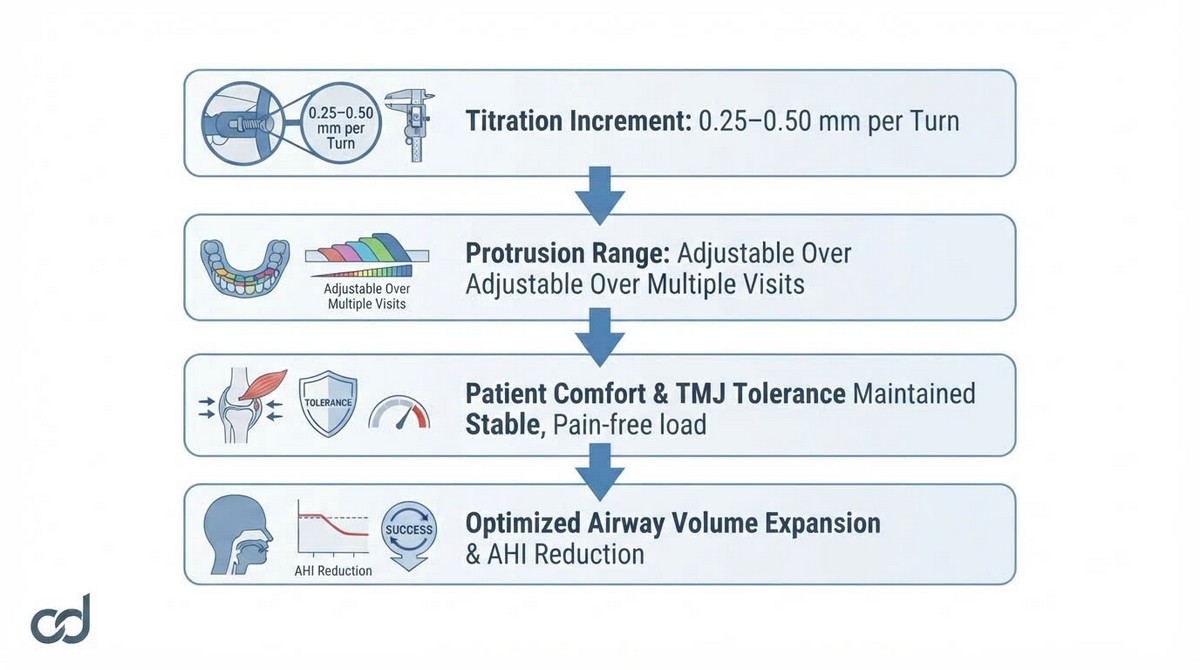
- Titration Increment: Each full turn of the titration screw advances the mandible by a calibrated increment (typically 0.25 mm to 0.50 mm), allowing gradual, controlled protrusion.
- Protrusion Range: The total available titration range is case-dependent and allows the clinician to progressively advance the mandible until the therapeutic endpoint is reached.
- Interocclusal Thickness: The appliance profile is minimized to reduce bulk and improve patient comfort, supporting long-term compliance.
AHI Reduction Efficacy and Treatment Confirmation
For OSA patients, treatment efficacy is confirmed through follow-up sleep study data demonstrating AHI reduction efficacy. The target endpoints are:
- ≥ 50% reduction in AHI from baseline, or
- AHI < 10 events/hour on the treatment night
Meeting either endpoint confirms that the MAD is providing adequate therapeutic benefit. If the AHI remains elevated despite maximum comfortable protrusion, alternative or combination therapy (e.g., CPAP at reduced pressure) should be considered in collaboration with the sleep physician.
Section 6: Clinical Benefits & Practice Impact
Patient-Level Clinical Benefits
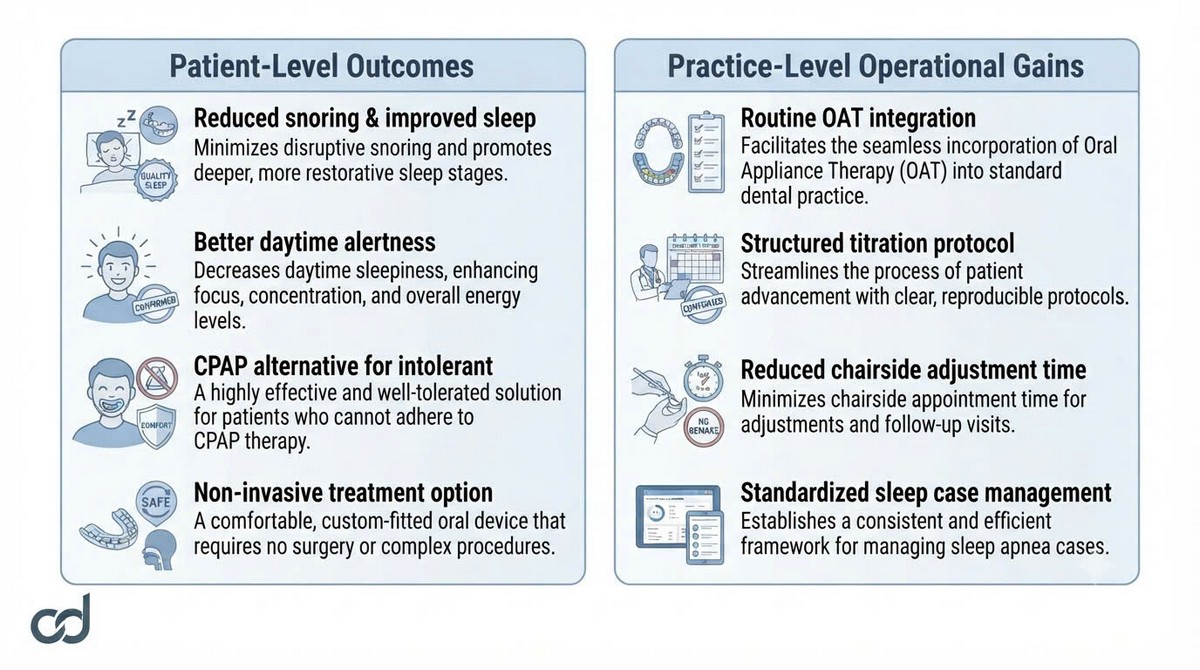
- Reduced Snoring and Improved Sleep Quality: Mandibular advancement expands the airway and reduces the turbulent airflow that produces snoring, allowing both the patient and their partner to sleep more restfully.
- Improved Daytime Alertness: For patients with mild to moderate OSA, effective MAD therapy reduces the frequency of obstructive events and the associated oxygen desaturations, improving daytime alertness and cognitive function.
- CPAP Alternative for Intolerant Patients: Patients who cannot tolerate CPAP now have a well-tolerated, portable, and silent alternative that supports long-term treatment compliance.
- Non-Invasive Treatment: Unlike surgical interventions for sleep-disordered breathing, MAD therapy is reversible, adjustable, and does not require hospitalization or recovery time.
Practice-Level Operational Advantages
- Routine Adoption of OAT Protocols: Integrating the Anti-Snoring Guard into the practice workflow standardizes oral appliance therapy and allows general dentists to participate meaningfully in sleep-disordered breathing management.
- Structured Titration Protocol: The appliance’s adjustable titration mechanism supports a clear, repeatable titration protocol, reducing chairside uncertainty and improving treatment outcomes.
- Reduced Chairside Adjustment Time: Precision-fabricated construction means minimal intraoral adjustment at delivery and at each titration visit, freeing chair time for patient education and treatment planning.
- Standardization Across Sleep Cases: A structured OAT protocol allows clinical teams to manage sleep-disordered breathing cases with consistent, repeatable workflows, improving patient outcomes and practice efficiency.
Oral Appliance Therapy as a Modern Standard
For decades, CPAP was considered the only viable treatment for moderate to severe OSA, with oral appliance therapy relegated to a niche role for mild cases. Contemporary evidence has established oral appliance therapy as a mainstream treatment option for mild to moderate OSA, and as a reasonable alternative for CPAP-intolerant patients with more severe disease. The Curedent Anti-Snoring Guard modernizes MAD therapy with precision fabrication, engineered titration control, and a structured clinical protocol. By integrating OAT into routine practice, dentists can meaningfully improve the health and quality of life of their patients with sleep-disordered breathing.
Integrating the Anti-Snoring Guard with Other Curedent Appliances
For patients who require long-term nocturnal protection in addition to MAD therapy, the Curedent Night Guards offer supplementary protection during non-MAD nights or daytime bruxism management. For patients with concurrent TMD symptoms, the Curedent Occlusal Splint can be used during the titration phase to ensure occlusal stability. For post-orthodontic patients receiving OAT, Curedent Clear Retainers maintain alignment while the MAD manages the airway.
Section 7: Ordering, FAQ & Call to Action
Simple Three-Step Ordering Workflow
Ordering the Curedent Anti-Snoring Guard through the doctor portal is designed to be efficient:
[Step 1: Upload Records] ──► [Step 2: Review Digital Design] ──► [Step 3: Receive MAD]
Scan + Protrusive Bite CAD Approval via Portal Fabricated & Finished
- Upload Case Records: Access the Curedent portal and upload the patient’s optical intraoral scans (maxillary, mandibular, and protrusive bite registration in STL or PLY format). Include any available sleep study data or physician referral documentation.
- Review Digital Design: Curedent engineers design both components with the titration mechanism integrated, set the initial protrusive position, and verify component adaptation. Review and approve the design via the interactive web viewer.
- Receive and Deliver: Curedent fabricates the appliance through thermoforming or precision milling, hand-finishes all surfaces, verifies titration mechanism function, packages the appliance in protective clinical casing, and dispatches it directly to your practice.
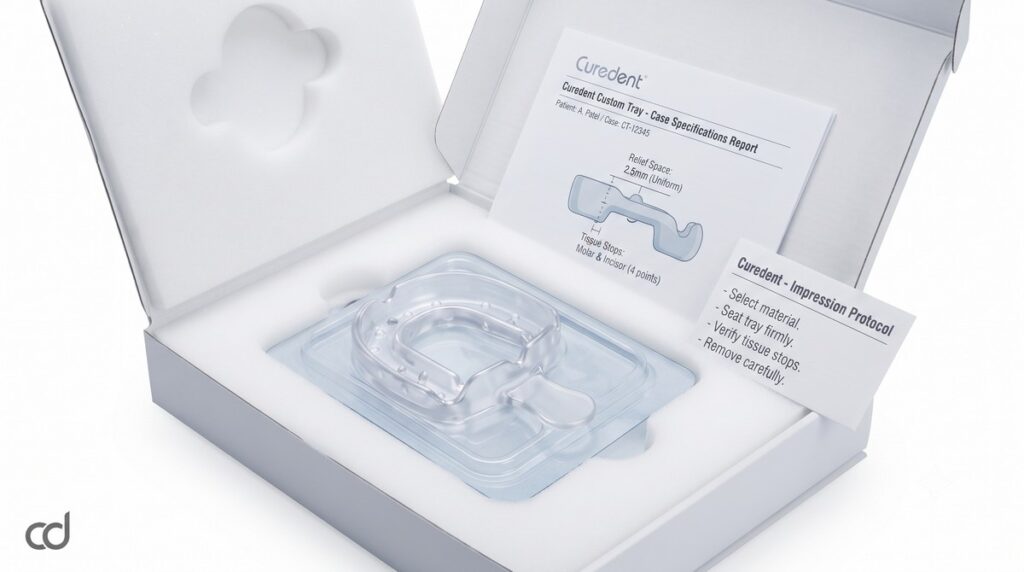
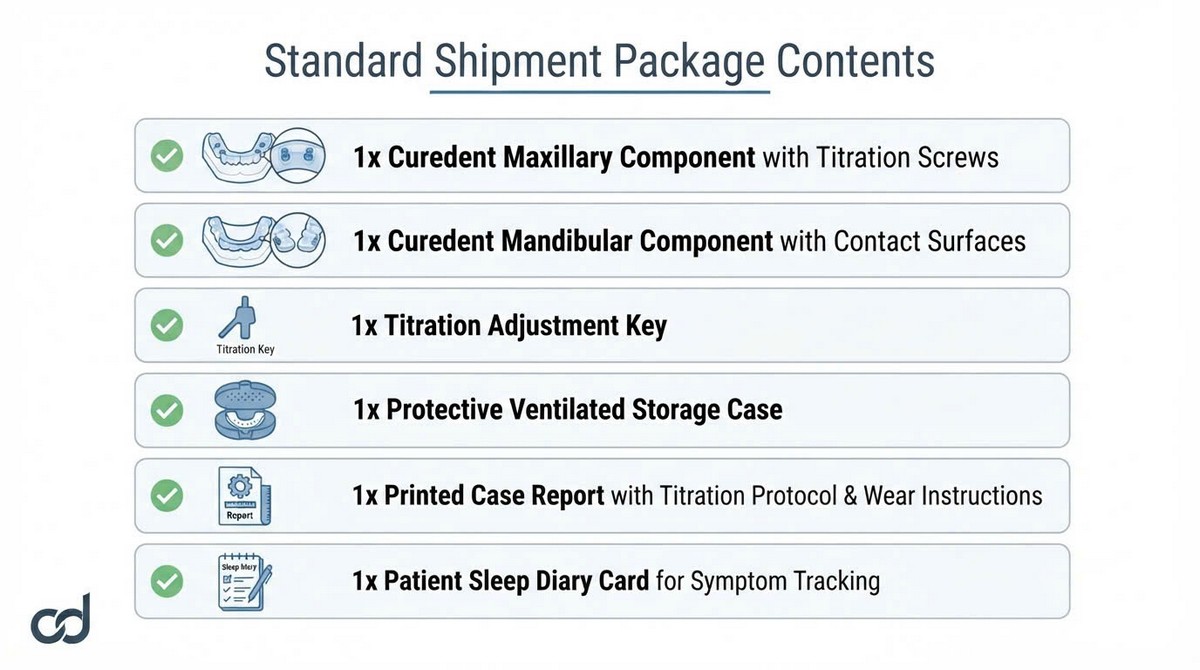
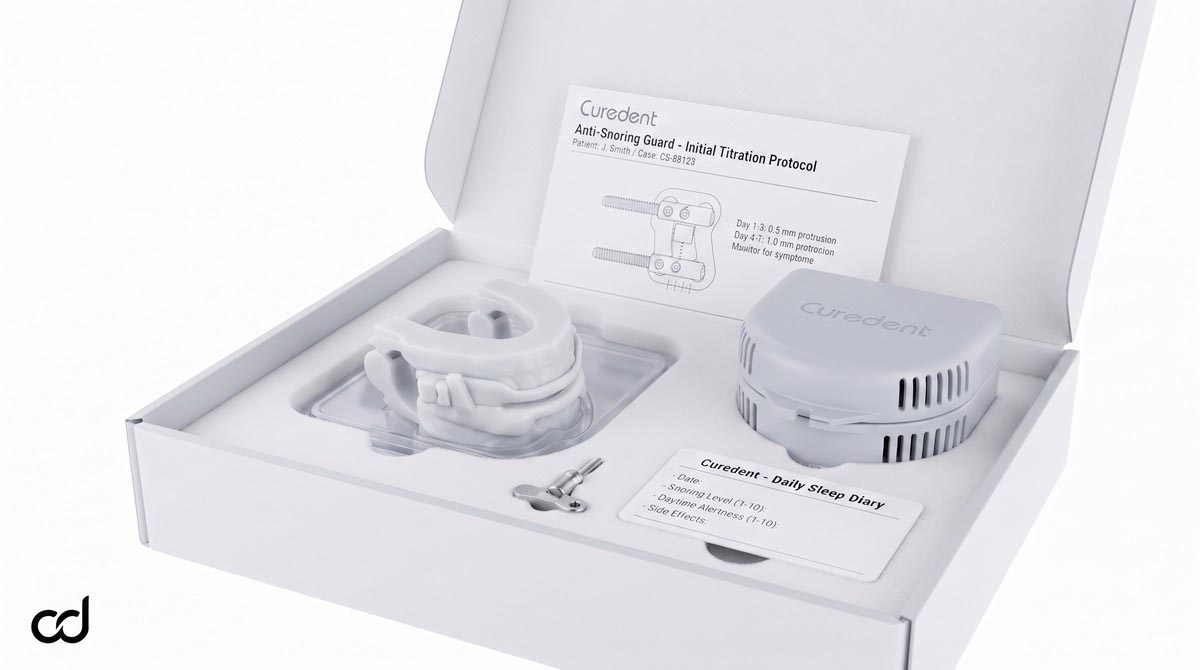
Standard Shipment Package Contents:
Frequently Asked Questions
Do I need a sleep study before ordering an Anti-Snoring Guard?
For patients presenting with primary snoring, a formal sleep study is not always required before initiating therapy, but a thorough medical and sleep history is essential. For patients with suspected or confirmed OSA, a sleep study (home or in-lab) is strongly recommended to establish a baseline AHI and to confirm the diagnosis before initiating oral appliance therapy. Collaboration with a sleep physician is recommended for OSA cases.
Can the Anti-Snoring Guard be used together with CPAP?
Yes. In some cases, mandibular advancement can be used as an adjunct to CPAP at reduced pressures, improving comfort and compliance for patients who struggle with high CPAP pressures. This combined approach should be coordinated with the treating sleep physician.
How often should the patient titrate the appliance?
Titration is performed by the clinician at follow-up visits, typically every 2 to 4 weeks during the initial titration phase. Patients should not adjust the titration mechanism on their own. Each visit involves symptom assessment, protrusion advancement, and comfort verification until the therapeutic position is reached.
Is the Anti-Snoring Guard comfortable to wear?
Most patients adapt to MAD wear within 1 to 2 weeks. The precision-fabricated components seat passively and the titration mechanism is designed for smooth adjustment. Initial side effects may include mild jaw soreness, excessive salivation, or tooth discomfort, all of which typically resolve within the adaptation period. Any persistent discomfort should be evaluated at follow-up.
How long does the Anti-Snoring Guard last?
With proper care and regular follow-up, the appliance typically lasts 2 to 3 years before requiring replacement. Inspect the titration mechanism and appliance surfaces at each follow-up visit for wear, and replace components as needed to maintain therapeutic function. Annual follow-up visits are recommended to assess appliance condition, oral health, and long-term treatment response.
Suggested Clinical Solutions
- Protect against nocturnal bruxism with Curedent Night Guards.
- Manage concurrent TMD symptoms with the Curedent Occlusal Splint.
- Maintain post-orthodontic alignment during OAT with Curedent Clear Retainers.