

Section 1: Product Introduction & Clinical Purpose
The Curedent Clear Retainers (1.0mm, 1.5mm, 2.0mm) system is a calibrated series of custom-thermoformed retention appliances designed to safeguard post-treatment dental alignment across diverse patient risk profiles. Developed for orthodontists, restorative dentists, and dental laboratory directors, this multi-thickness collection replaces standard single-gauge retention with targeted physical options tailored to individual occlusal forces, periodontal elasticity, and nocturnal habits.
Maintaining alignment following active tooth movement represents one of the most critical phases in orthodontic therapy. The periodontal ligament (PDL), supracrestal gingival fibers, and alveolar bone require an extended remodeling interval to stabilize newly positioned roots. Relying on an arbitrary, single-thickness clear thermoplastic retainer (Essix) frequently results in premature appliance perforation, fatigue cracking, or poor patient compliance due to excessive bulk or inadequate retention. Curedent resolves these issues by offering a choice of three thicknesses: 1.0mm, 1.5mm, and 2.0mm.
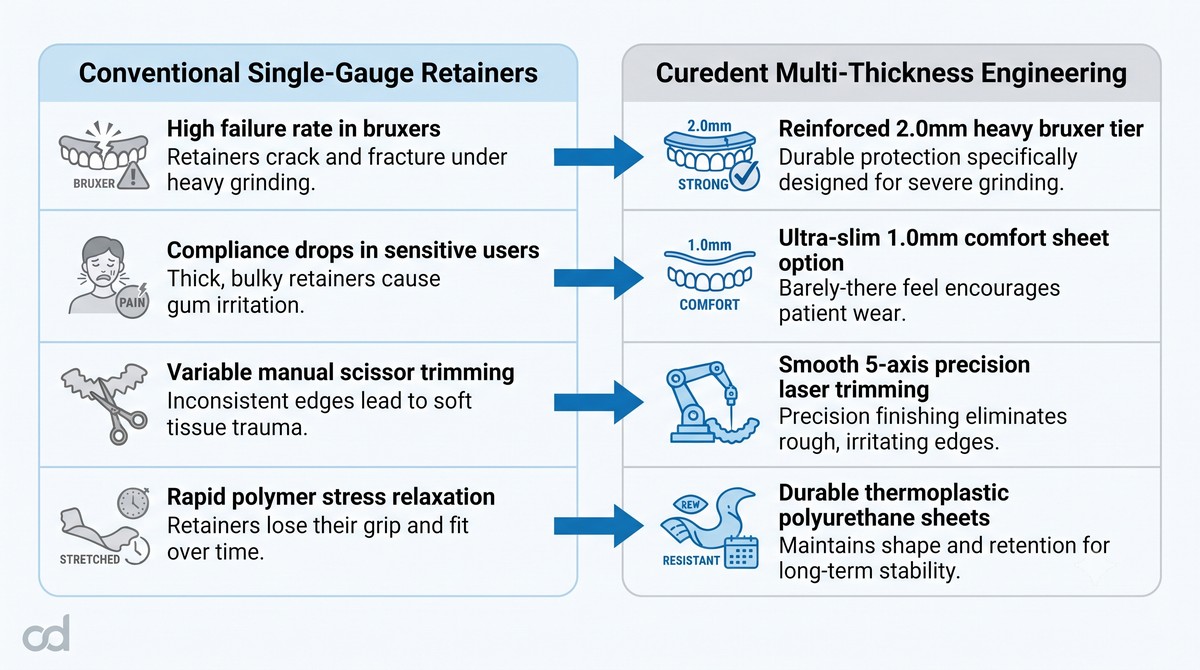
Key Clinical Advantages
- Targeted Occlusal Durability: Matches sheet thickness to patient clenching patterns, preventing occlusal wear-through and material cracking.
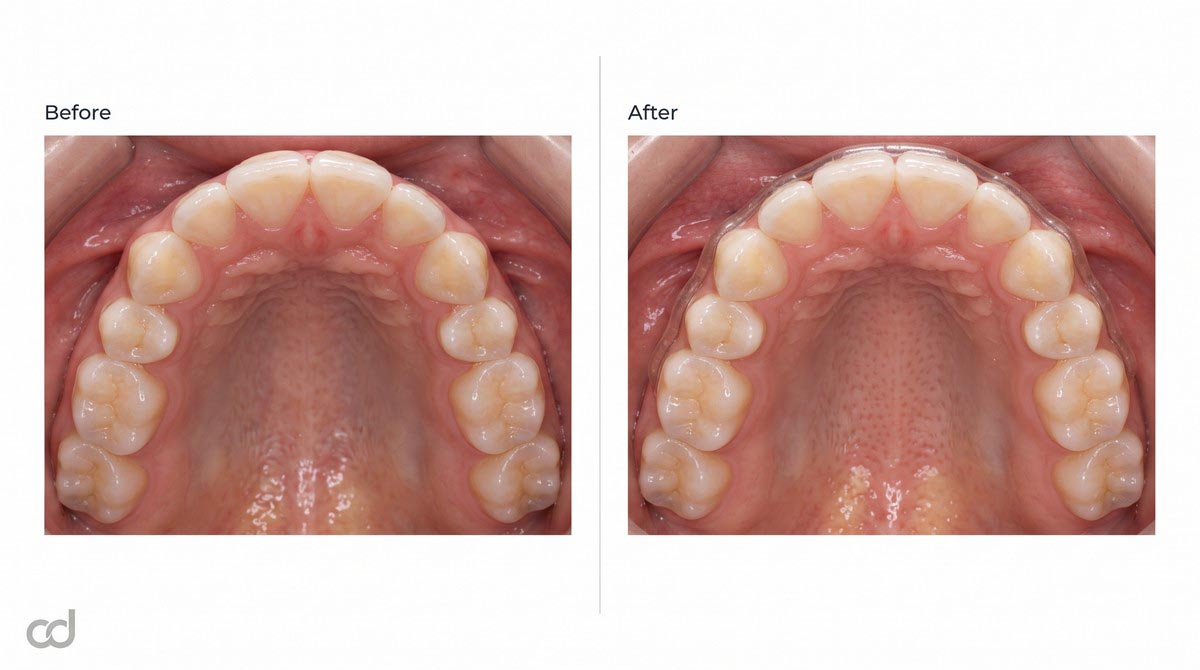
- Superior Fiber Remodeling Retention: Delivers uniform full-coverage adaptation across dental arches to prevent rotational and spacing relapse.
- Smooth Scalloped Gingival Integration: Preserves gingival papillae and eliminates cervical soft-tissue impingement.
- High Optical Clarity: Provides an aesthetic, discreet retention appliance that encourages strict nightly compliance.

Section 2: Product Anatomy & Physical Construction
Medical-Grade Polyurethane Sheet Matrix
Curedent clear retainers are manufactured from medical-grade thermoplastic polyurethane sheets engineered specifically for intraoral stress retention. Unlike conventional single-layer polyethylene or copolyester plastics that soften and warp quickly, this advanced polyurethane exhibits low water sorption, high tear resistance, and high flexural memory. The material withstands cyclic biting loads without micro-fracturing or losing its shape over long retention cycles.
Additive Model Fabrication and Pressure Thermoforming
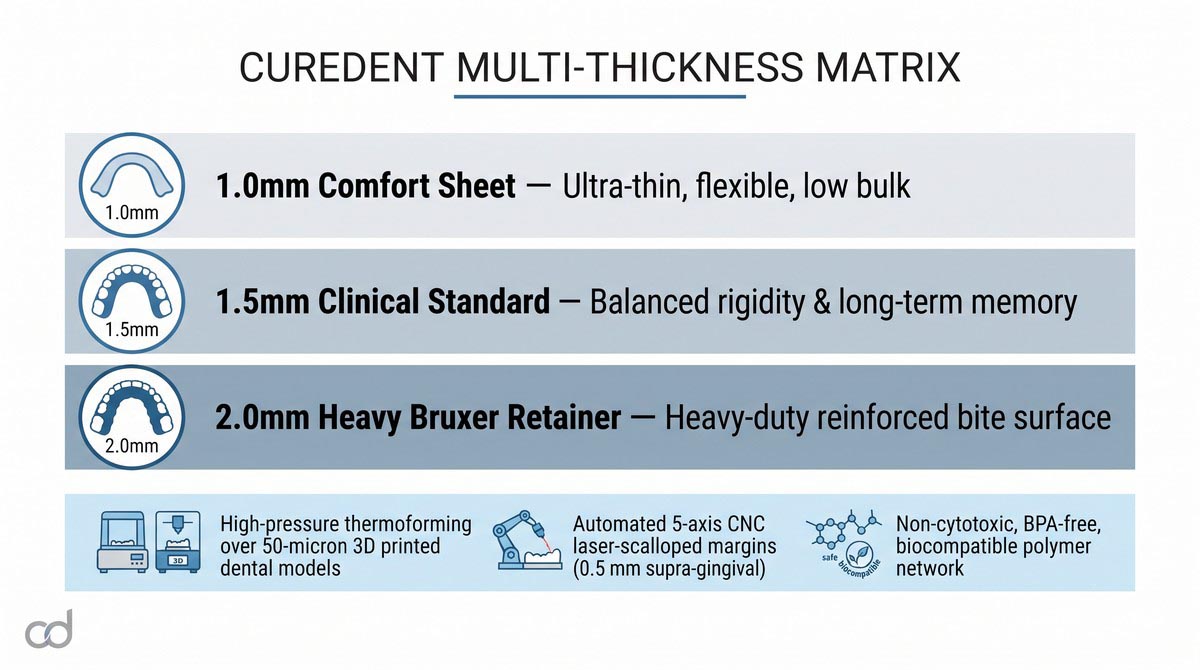
Every retainer is pressure-formed over an individualized master model 3D-printed at ~50-micron layer resolution using high-strength dental resin. Utilizing positive pressure chambers (operating at 4 to 6 bars) instead of basic vacuum suction forces the heated polyurethane sheet deep into occlusal fissures, marginal embrasures, and interproximal contact zones, ensuring a tight, gap-free fit.
Multi-Thickness Engineering Principles
Through systematic multi-thickness engineering, Curedent tailors appliance strength directly to clinical demand:
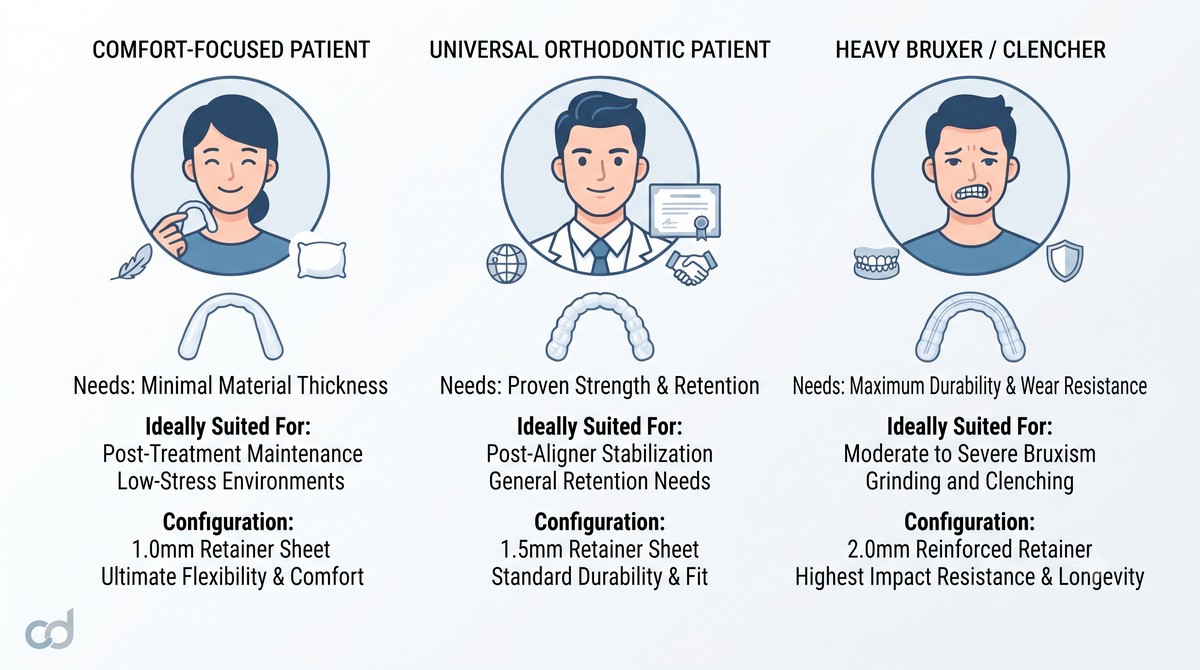
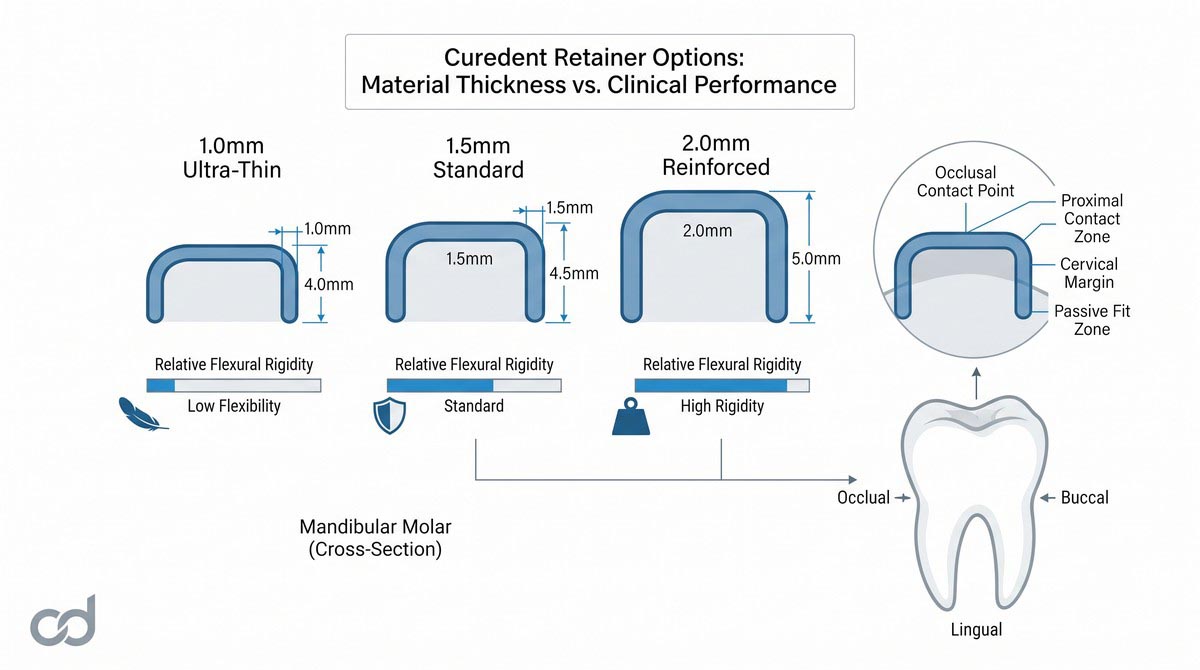
- 1.0mm Calibrated Sheet: Yields a post-forming thickness of approximately 0.75–0.80mm. It provides light retention for patients sensitive to foreign-body sensation or those transitioning out of active aligners.
- 1.5mm Calibrated Sheet: Yields a post-forming thickness of approximately 1.15–1.20mm. It serves as the baseline clinical standard for comprehensive post-orthodontic retention, delivering a dependable balance of rigidity and wear resistance.
- 2.0mm Calibrated Sheet: Yields a post-forming thickness of approximately 1.55–1.65mm. It is reinforced specifically to resist heavy nocturnal bruxism, clenching, and deep-bite intrusion forces.
Polymer Rigidity Calibration and Clinical Mechanics
The clinical performance of a thermoplastic appliance depends on polymer rigidity calibration. Flexural modulus governs how an appliance flexes during seating and resists deformation when teeth attempt to shift. Thicker polyurethane sheets increase load-bearing capacity along the occlusal table: the 2.0mm sheet provides significant resistance to compressive occlusal forces, preventing heavy bruxers from grinding through the posterior bite surface, while the 1.0mm configuration offers greater flexibility for easy insertion and removal around deep anatomical undercuts.
Precision Laser-Finished Scalloped Margins
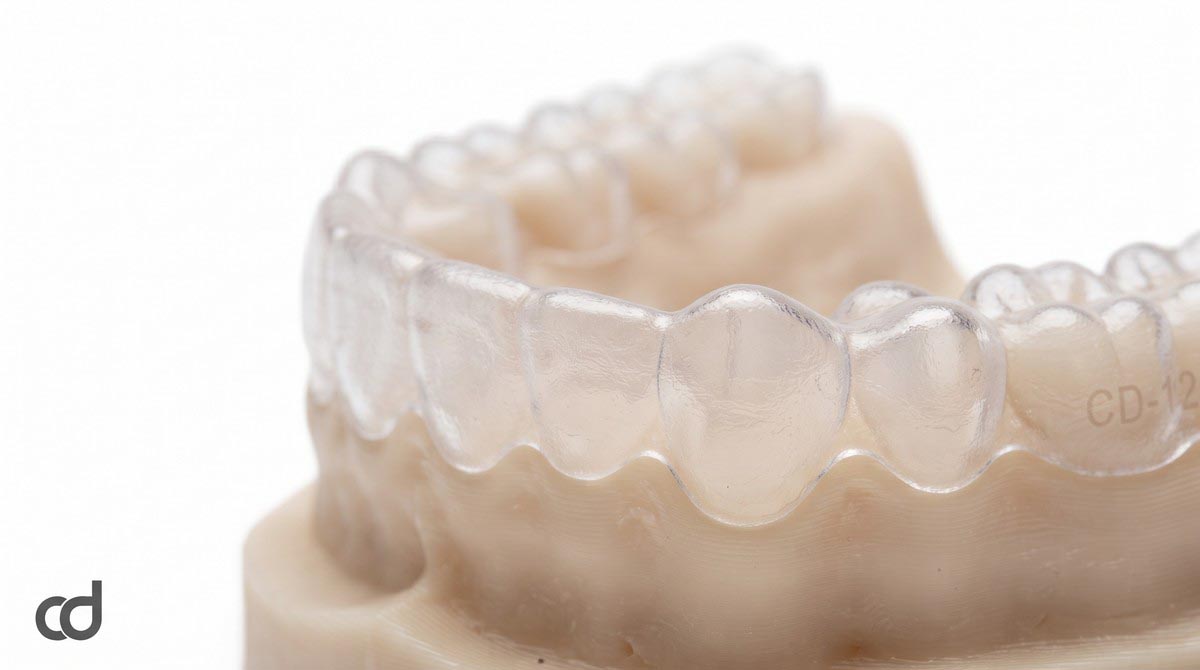
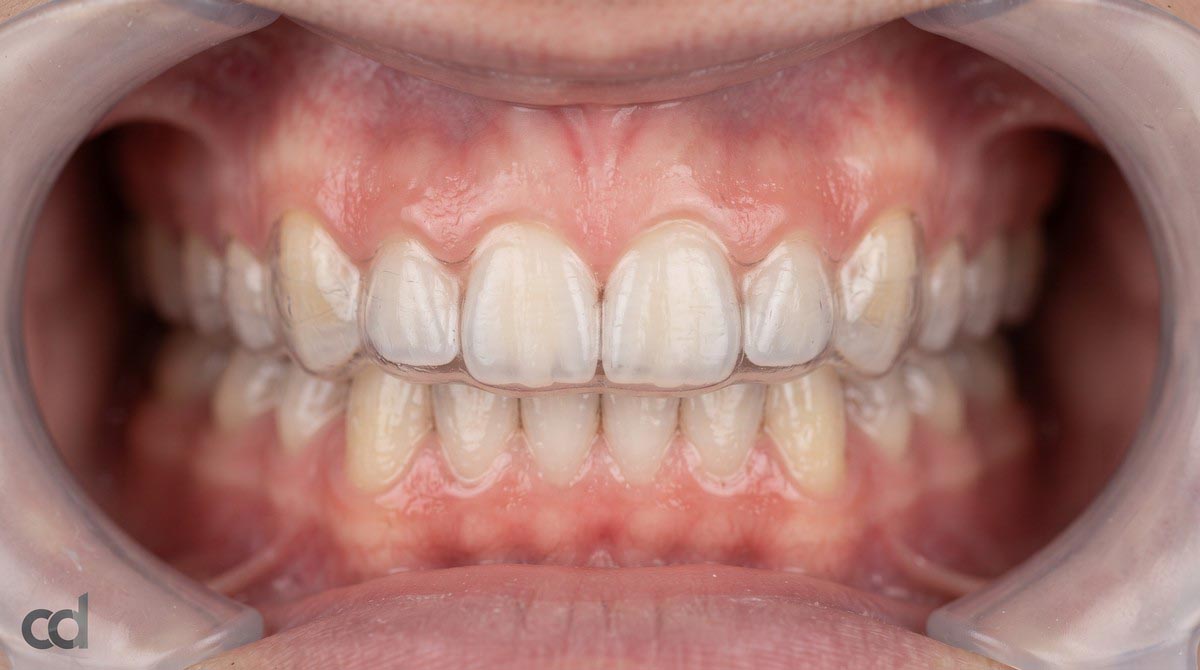
To eliminate soft-tissue irritation, all Curedent retainers feature automated scalloped margins. The trimline tracks 0.5 mm coronal to the gingival crest, following the natural interdental papilla curve. This prevents pressure along the free gingival margin, reduces cervical plaque accumulation, and ensures a secure hold across every crown.

Section 3: Indications & Clinical Applications
Clinical Thickness Allocation Framework
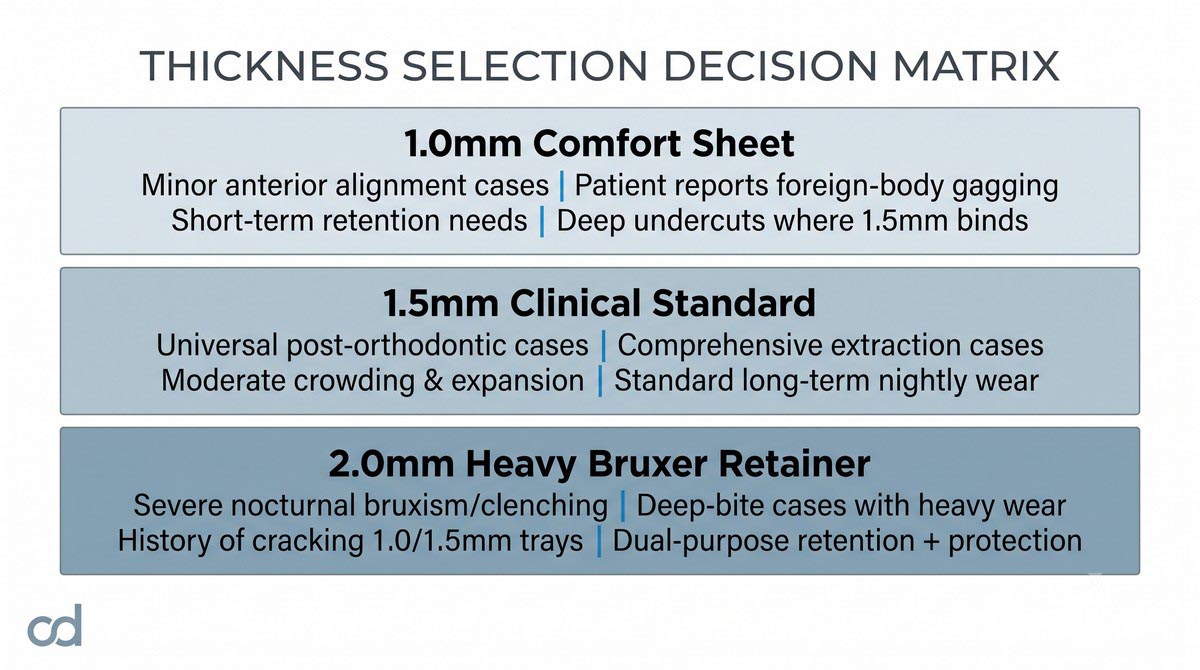
Selecting the proper retainer thickness requires evaluating the patient’s original malocclusion, periodontal biotype, and functional grinding habits:
The 1.0mm Comfort Sheet: Gentle Stabilization
The 1.0mm comfort sheet is designed for cases where minimizing appliance bulk is paramount:
- Hypersensitive Patients: Individuals with an active gag reflex or difficulty tolerating standard-gauge retainers.
- Minor Alignment Corrections: Minor anterior cosmetic alignment where minimal retention force is required.
- High Undercut Topographies: Patients with anatomical undercuts, extensive interdental spacing, or delicate ceramic restorations where stiffer materials could bind uncomfortably during removal.
The 1.5mm Clinical Standard: Universal Reliability
The 1.5mm clinical standard represents the baseline prescription for the vast majority of orthodontic completions:
- Comprehensive Multi-Year Retention: Provides the ideal structural rigidity to counter transseptal and supracrestal fiber rebound following significant rotations, space closures, or transverse expansions.
- Balanced Comfort and Strength: Thick enough to prevent flexural deformation during sleep, yet slim enough to maintain natural tongue space and speech clarity.
- Predictable Dimensional Memory: Delivers long-term dimensional stability across everyday wear and cleaning routines.
The 2.0mm Heavy Bruxer Retainer: Maximum Protection
Prescribing the 2.0mm heavy bruxer retainer protects both dental alignment and the appliance itself in high-load scenarios:
- Severe Nocturnal Bruxism: Patients exhibiting significant incisal wear facets, morning masticatory soreness, or a history of perforating standard 1.0mm or 1.5mm retainers.
- Deep Bite Corrections: Maintains vertical clearance and resists intrusion forces in cases of corrected deep overbites.
- Dual-Function Appliance: Serves as both an orthodontic retention device and a protective splint, shielding enamel and restorations from nocturnal clenching forces.
Section 4: Clinical Workflow & Retention Protocol
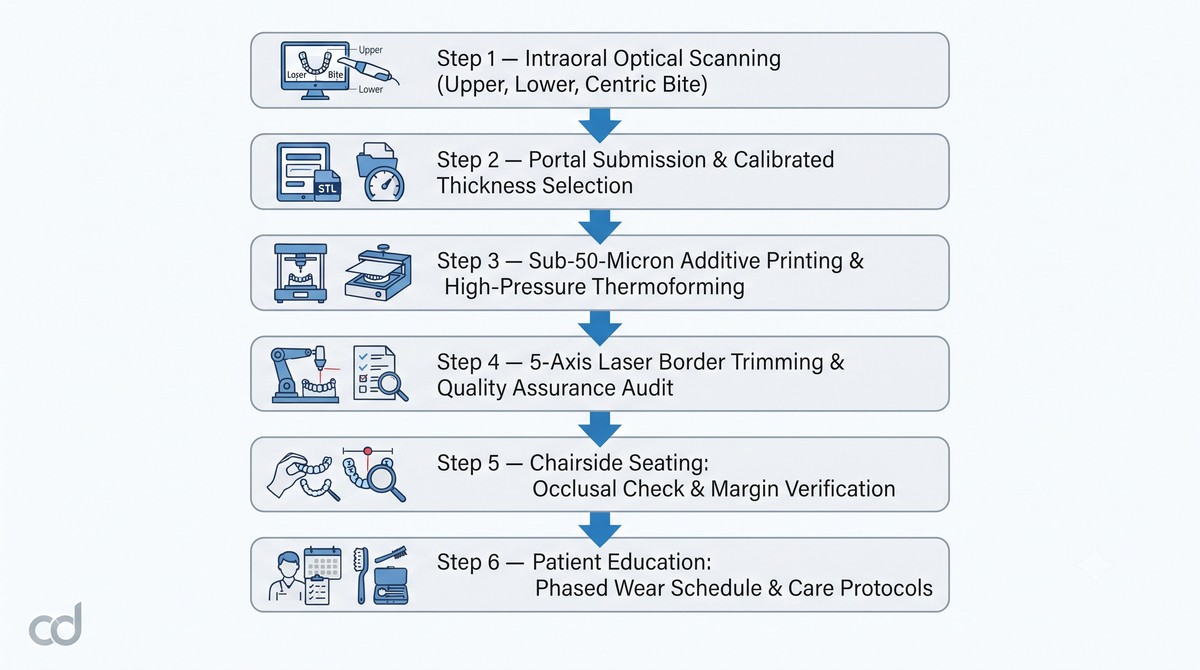
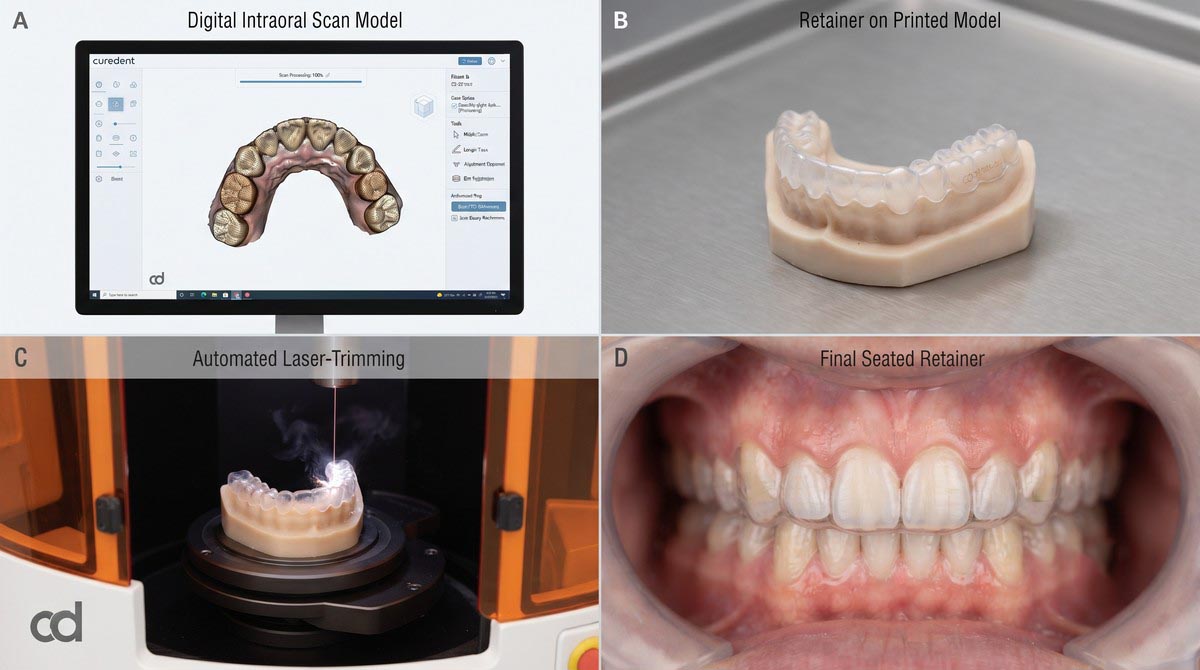
Step 1: Intraoral Optical Data Acquisition
Upon completion of active orthodontic movements or debonding of fixed brackets, clean the enamel surfaces of all composite flash. Capture a high-resolution intraoral optical scan of the maxillary and mandibular arches, ensuring complete coverage of terminal molars and gingival margins.
Step 2: Ordering and Thickness Selection
Upload open STL or PLY scan files to the Curedent doctor portal. Select the target thickness (1.0mm, 1.5mm, or 2.0mm) based on the patient’s occlusal load and bruxism profile.
Step 3: Precision Manufacturing
Curedent prints the master model at 50-micron resolution, pressure-thermoforms the designated polyurethane sheet under 4–6 bars of positive pressure, and completes precision CNC laser trimming.
Step 4: Unboxing and Verification
The appliance arrives sealed in dedicated clinical packaging. Inspect the retainer on its master model: verify complete seating, confirm the thickness designation stamped on the packaging, and inspect margins for a clean, rounded edge finish.
Step 5: Chairside Delivery and Fit Evaluation
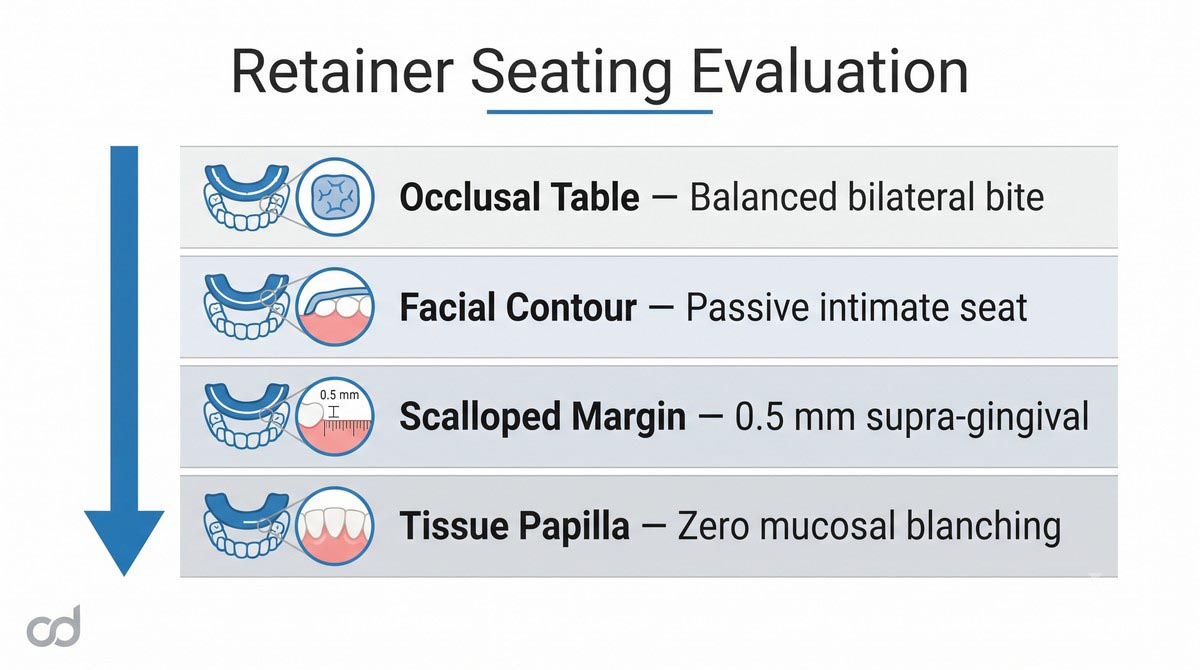
- Seat the retainer over the patient’s dentition using gentle, even finger pressure along the occlusal table.
- Confirm positive, click-fit retention without lateral rocking or loose margins.
- Check occlusion using thin articulating paper. Verify that the appliance maintains balanced bilateral contacts across posterior teeth without excessive anterior loading.
- Inspect the gingival borders: ensure the scalloped trimline sits 0.5 mm coronal to the tissue margin without blanching the interdental papillae.
Step 6: Phased Post-Orthodontic Stabilization Protocol
Long-term post-orthodontic stabilization follows a standardized wear protocol:
- Months 1 to 3 (Full-Time Consolidation): Wear the retainers full-time (20–22 hours per day), removing them only for meals, hot liquids, and oral hygiene. This allows initial reorganization of the periodontal ligament.
- Months 4 to 12 (Nightly Retention): Transition to nightly wear (8–10 hours per night) once the occlusion remains stable without daytime shifts.
- Long-Term Maintenance (Indefinite Nightly Schedule): Continue nightly or alternate-night wear indefinitely to counter natural late-stage mesial drift.
Patient Safety, Hygiene, and Maintenance Instructions
Instruct patients to clean retainers daily using a soft-bristled toothbrush and neutral liquid soap or specialized effervescent cleaning tablets. Emphasize that boiling water, alcohol-based mouthwashes, and harsh abrasives warp and degrade polyurethane sheets. When not in the mouth, retainers should always be stored dry in their ventilated protective case, away from pets and high-heat environments.
Section 5: Technical Specifications & Manufacturing Standards
Certified Technical Specifications
The Curedent Clear Retainers are manufactured to strict dimensional tolerances to ensure predictable post-treatment stabilization.
| Parameter | Specification | Clinical Relevance |
| Material | Biocompatible thermoplastic polyurethane sheet | High flexural memory, non-toxic, tear-resistant |
| Fabrication method | Pressure thermoforming over 3D printed model | 4–6 bar pressure guarantees intimate anatomical fit |
| Thickness options | 1.0 mm (comfort) / 1.5 mm (standard) / 2.0 mm (heavy bruxer) | Matches specific patient bite loads and sensitivity |
| Thickness tolerance | ± 0.05 mm | Ensures uniform wall thickness across the arch |
| Margin finish | Precision laser trimming with scalloped margins | Smooth, rounded borders eliminate soft-tissue cuts |
| Trimline geometry | Scalloped, following gingival contour | Preserves interdental papillae; reduces plaque traps |
| Fit tolerance | Engineered for stable seating on natural dentition | Snug, click-fit retention without binding |
| Retention type | Full-coverage clear thermoplastic retainer | Prevents rotational, tipping, and vertical relapse |
| Hygiene | Removable, cleanable, patient-maintained | Easy for patients to brush and keep clean |
| Sterilization | Delivered ready for clinical use | Cleaned and packaged for immediate operatory trial |
Manufacturing Tolerances and Laser Precision
Consistent clinical retention requires tight fabrication standards:
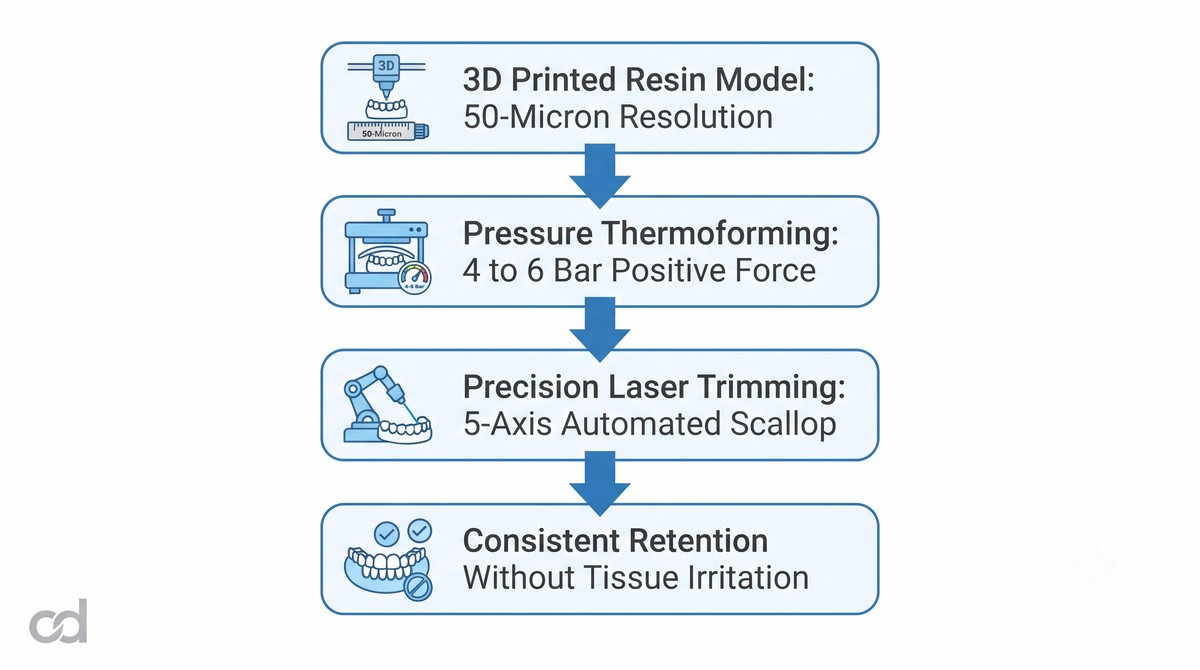
- Precision Laser Trimming: All Curedent retainers undergo automated precision laser trimming using 5-axis CNC laser cutters. This eliminates the jagged edges, burr marks, and micro-tears common in manual scissor trimming, reducing stress-concentration points that lead to tray fractures.
- Uniform Wall Thickness: Sheet thickness tolerances are held within 0.05 mm, ensuring balanced bite contacts across all posterior sectors.
- Sub-50-Micron Model Resolution: Printing master models at 50 microns per layer prevents noticeable layer stepping on the inside of the retainer, delivering a smooth, comfortable surface against natural enamel.
Section 6: Clinical Benefits & Practice Impact

Patient-Level Clinical Benefits
- Dependable Relapse Prevention: Full-coverage polyurethane engagement holds roots in their corrected positions while periodontal fibers remodel, preventing rotational and spacing relapse.
- Customized Comfort Options: Patients sensitive to bulky appliances can choose the lighter 1.0mm sheet, while heavy grinders receive the reinforced 2.0mm option, significantly improving nightly compliance.
- Appliance Durability: High-grade polyurethane resists cracking, tearing, and occlusal wear-through, ensuring the retainer remains functional throughout its intended lifespan.
Practice-Level Operational Advantages
- Streamlined Practice Workflow: Offering calibrated 1.0mm, 1.5mm, and 2.0mm options gives clinical teams a clear, structured retention menu, eliminating the guesswork of choosing single-gauge appliances.
- Lower Appliance Remake Rates: Providing heavy bruxers with a durable 2.0mm retainer prevents repeated tray fractures and eliminates unbilled emergency remake visits.
- Fast Chairside Delivery: Precision laser-trimmed margins seat comfortably on delivery day without requiring chairside trimming, saving valuable operatory time.
- Predictable Long-Term Post-Orthodontic Stabilization: Implementing a structured retention protocol safeguards the final aesthetic outcome, reinforcing the practice’s reputation for lasting clinical excellence.
Multi-Thickness Retention as Modern Best Practice
Treating all retention patients with an identical sheet thickness overlooks fundamental differences in occlusal force, tooth anatomy, and patient sensitivity. A single gauge cannot serve as a comfort tray, a standard retainer, and a heavy-duty bruxism splint all at once. Modern post-orthodontic stabilization relies on targeted material engineering. Curedent’s multi-thickness retainer series gives clinicians the specific physical options required to protect every finished smile with confidence.
Section 7: Ordering, FAQ & Call to Action
Simple Three-Step Ordering Workflow
Ordering Curedent Clear Retainers through the doctor portal takes only a few minutes:
[Step 1: Upload Intraoral Scans] ──► [Step 2: Select Thickness] ──► [Step 3: Receive Retainers]
Upper, Lower, Centric Bite STL/PLY 1.0mm / 1.5mm / 2.0mm Delivered Ready for Clinical Use
- Upload Case Scans: Log into the Curedent portal and upload the patient’s optical intraoral scans (upper, lower, and bite registration in STL or PLY format).
- Select Retainer Thickness: Choose your preferred thickness (1.0mm comfort, 1.5mm standard, or 2.0mm heavy bruxer) for each arch based on the patient’s clinical needs.
- Receive and Deliver: Curedent 3D-prints the master models, pressure-thermoforms the retainers, laser-trims the margins, and ships the finished appliances in protective clinical packaging.
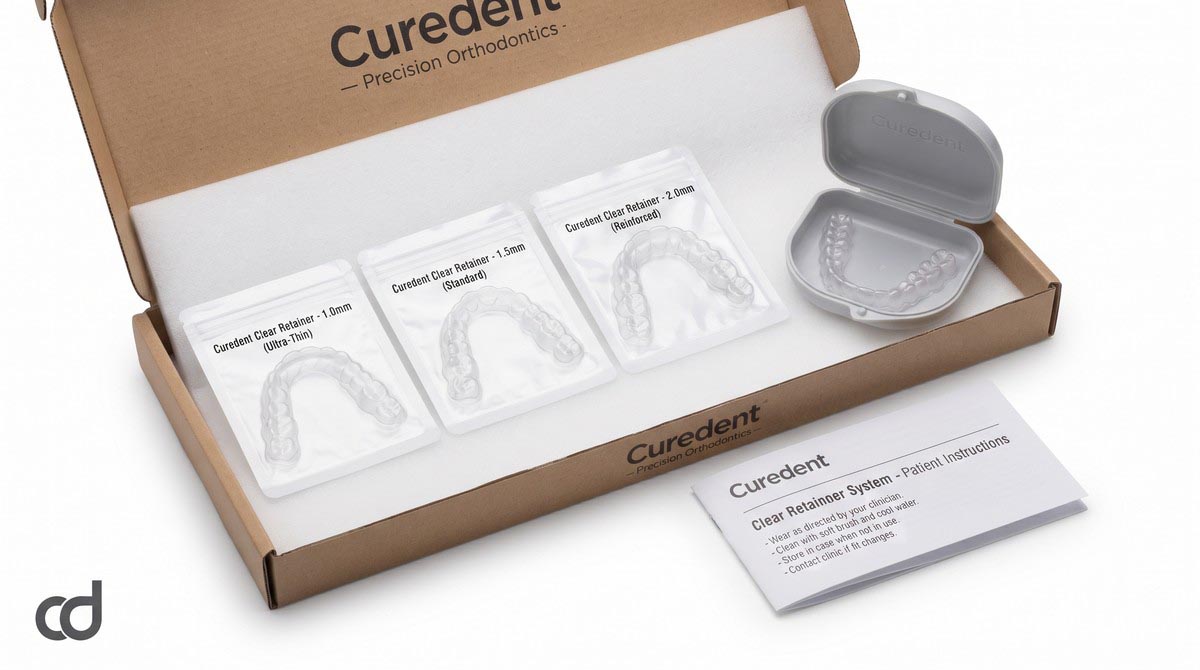
Standard Shipment Package Contents:

Frequently Asked Questions
How do I determine whether to prescribe 1.0mm, 1.5mm, or 2.0mm?
Prescribe the 1.5mm sheet as your default standard for routine post-orthodontic retention. Select the 1.0mm comfort sheet for patients with sensitive gags, severe undercuts, or minor cosmetic alignment. Choose the 2.0mm heavy bruxer retainer for patients with visible nocturnal grinding habits, corrected deep bites, or a history of cracking standard trays.
How long should a clear thermoplastic retainer typically last?
With proper hygiene and nightly wear, a 1.5mm standard polyurethane retainer typically lasts 12 to 24 months. The 2.0mm heavy bruxer option is built to withstand high grinding forces, while the 1.0mm comfort sheet should be monitored every 6 to 12 months for signs of wear.
Can I order different thicknesses for the upper and lower arches of the same patient?
Yes. You can specify thicknesses independently by arch—for example, prescribing a 2.0mm retainer on the maxillary arch for nocturnal bruxism protection paired with a 1.5mm standard retainer on the mandibular arch.
How should patients clean and care for their clear retainers?
Instruct patients to rinse retainers with cool water and brush gently using a soft toothbrush and non-abrasive soap. Retainers should be soaked weekly in specialized cleaning tablets. Never soak in hot or boiling water, as this will distort the thermoplastic shape.
What should I do if the retainer feels overly tight during chairside seating?
First check the gingival margins. If the border impinges on interdental papillae, lightly smooth the laser-scalloped edge with a fine acrylic bur. For deep undercuts, warming the facial aspect with a brief blast of warm air can facilitate gentle seating.
Suggested Clinical Solutions
- Pair clear retainers with Curedent Hawley Retainers for cases requiring natural occlusal settling.
- Protect heavy bruxers and relieve joint tension with the Curedent Occlusal Splint.
- Fine-tune minor residual alignment before retention using Curedent Orthodontic Refinement.


